Medicaid Dental Benefits and Disparities in Preventive Oral Care Among Pregnant Women
Overview
Expand on the significance of disparities in dental care access among pregnant women.
Background
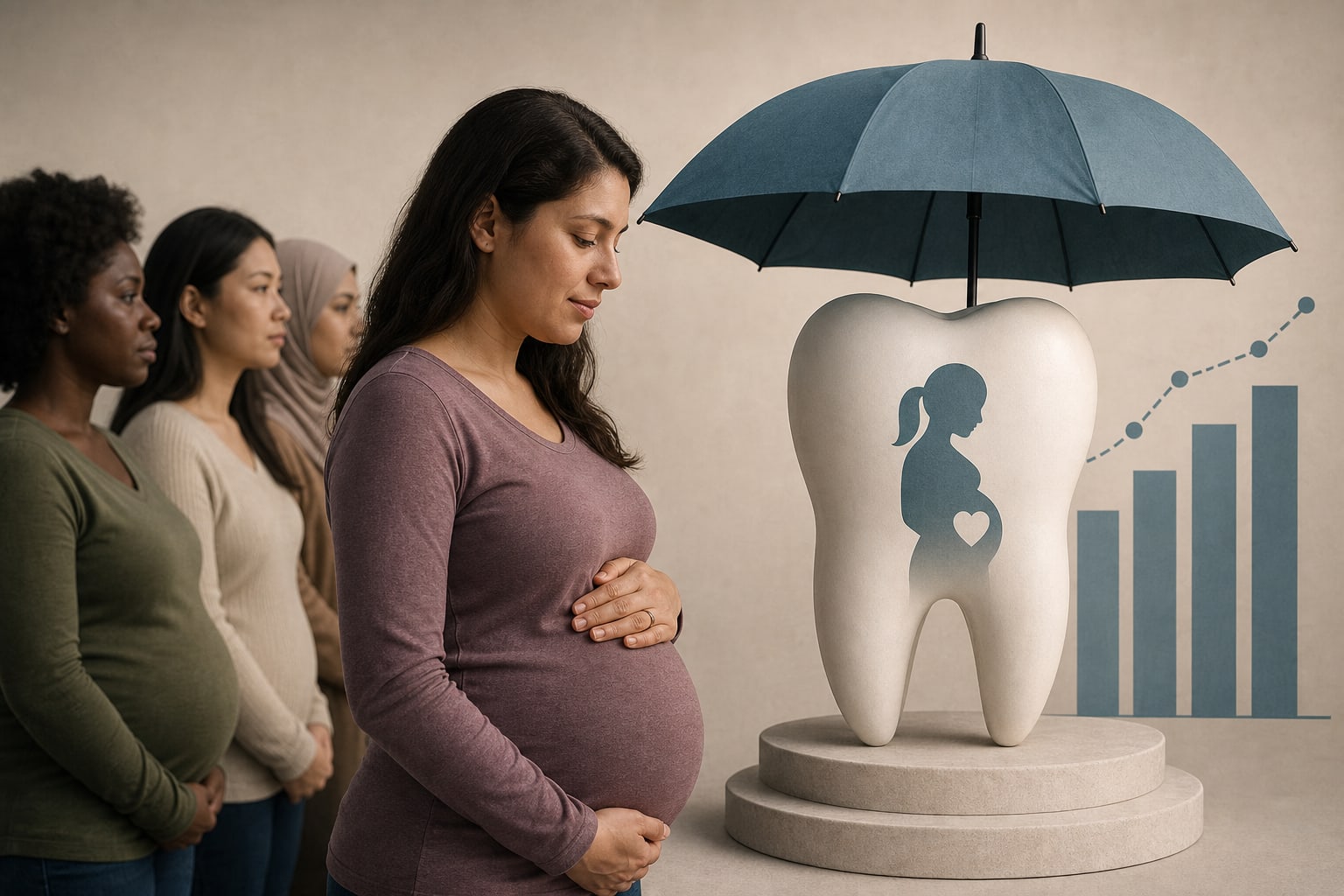
Oral health during pregnancy is crucial as it is linked to adverse maternal and infant outcomes, including preterm birth and low birth weight. Despite the importance of dental care, many pregnant women, particularly those enrolled in Medicaid, face barriers to accessing necessary services. This study aims to explore the impact of Medicaid dental benefits on access to care and identify disparities among different racial and ethnic groups.
Data Highlights
Outcome
Percentage
Medicaid-enrolled women receiving dental cleaning
28%
General U.S. pregnant population receiving dental cleaning
46%
Key Findings
Only 28% of Medicaid-enrolled pregnant women received a dental cleaning during pregnancy.
States with Medicaid dental coverage have higher rates of dental cleaning compared to those without.
Racial and ethnic disparities exist, with lower rates of dental care access among non-White women.
Black and Asian and Pacific Islander women had the lowest predicted probabilities of receiving dental cleanings.
Cost remains a significant barrier to dental care for low-income populations.
Clinical Implications
Healthcare providers should advocate for improved Medicaid dental benefits to enhance access to preventive dental care for pregnant women, particularly among racially and ethnically diverse populations. Addressing these disparities is essential for improving maternal and infant health outcomes.
Conclusion
The study underscores the critical need for equitable access to dental care during pregnancy, particularly for Medicaid-enrolled women from diverse racial and ethnic backgrounds. Enhancing Medicaid dental benefits could help bridge the gap in care access.