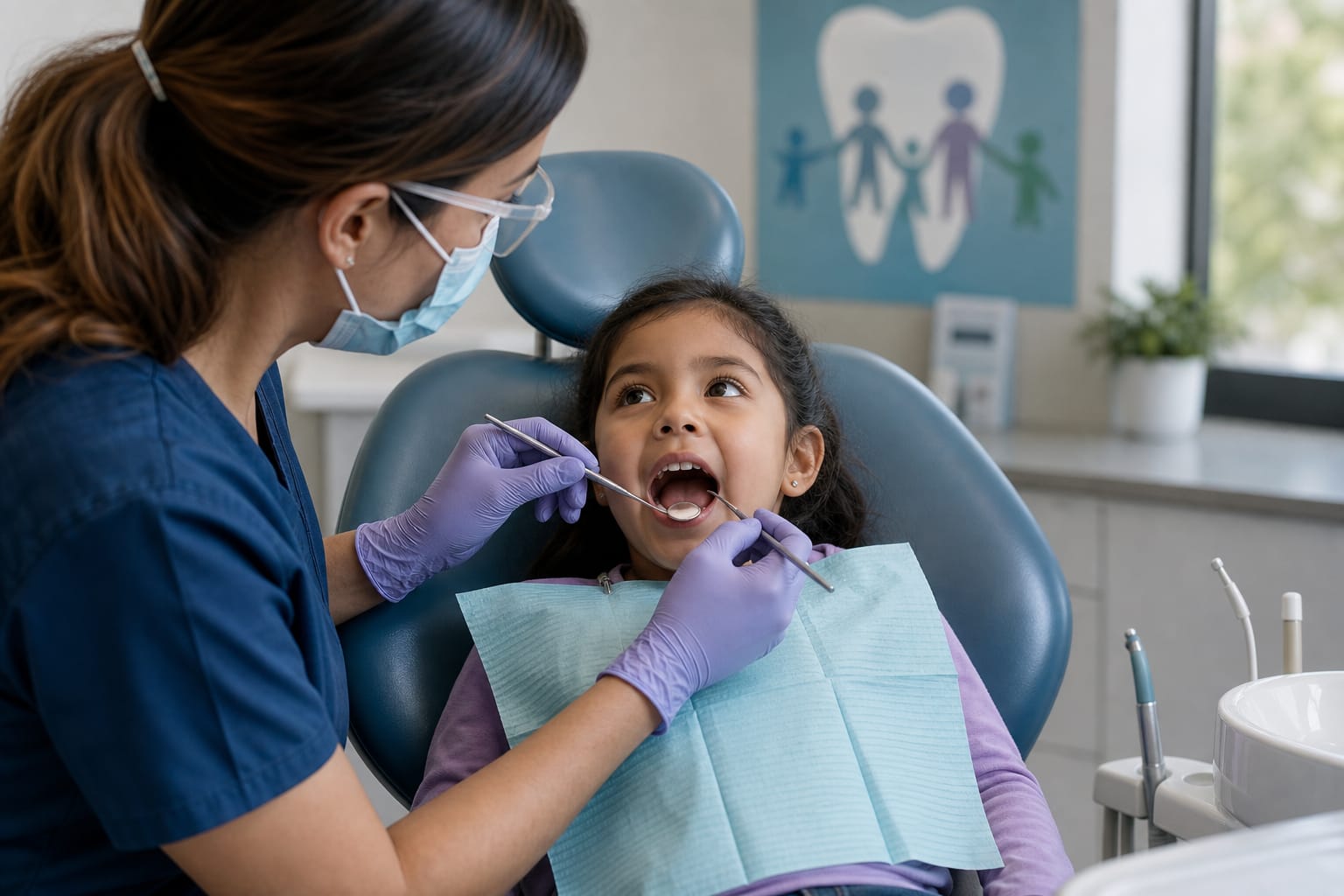
Clinical Report: Models for Predicting Oral Frailty in Elderly Populations
Overview
This scoping review systematically maps existing oral frailty risk prediction models for older adults, highlighting variability in model development and validation.
Background
Oral frailty is an age-related decline in oral function linked to systemic health issues and adverse outcomes in older adults. Identifying individuals at high risk for oral frailty is important for intervention and management. However, current prediction models vary significantly in methodologies and applicability.
Data Highlights
No numerical data available.
Key Findings
Seventeen studies were included, primarily cross-sectional and concentrated in China.
The reported proportion of oral frailty ranged from 25.50% to 92.50%.
Logistic regression was commonly used for model development, with nomograms for final predictions.
Frequently retained predictors included age, nutrition-related factors, and swallowing difficulties.
Only two studies provided external validation, while 15 reported some form of internal validation.
The area under the receiver operating characteristic curve ranged from 0.725 to 0.985.
Clinical Implications
Healthcare professionals should be aware of the limitations of existing oral frailty prediction models, particularly regarding validation and generalizability.
Conclusion
Existing models demonstrate varying degrees of predictive performance, but their clinical application is limited by methodological concerns and a lack of external validation.