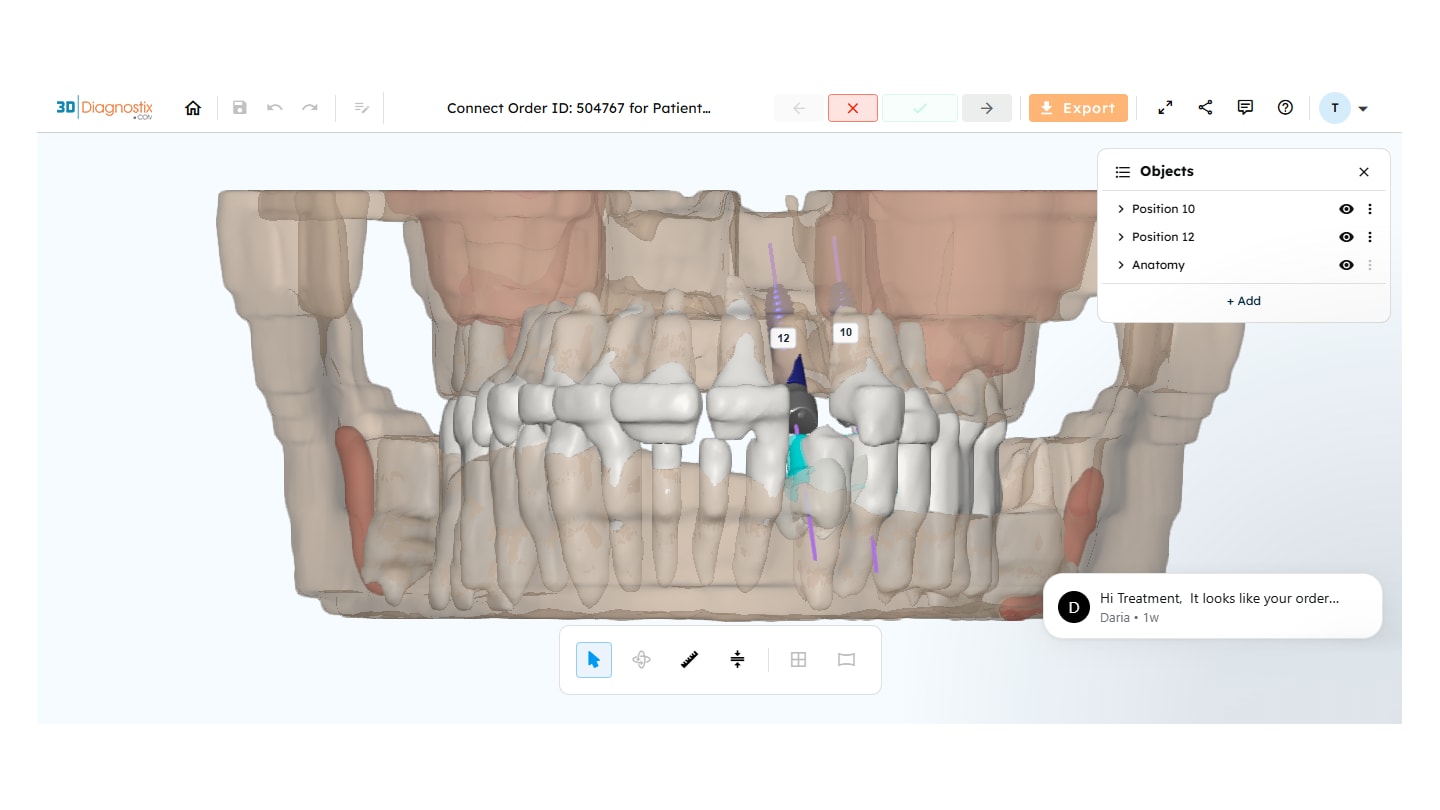
Strategies for Promoting Teledentistry Adoption in Dental Care: A Realist Review
-
By
-
Krithika Priyadharshini Arunagiri
-
Paul Allison
-
Shashank Kannan
-
Pascaline Kengne Talla
-
October 8, 2026
Clinical Report: Strategies for Promoting Teledentistry Adoption in Dental Care
Overview
The article describes teledentistry as a set of information and communication technologies for delivering oral healthcare, with potential benefits for patients, providers, and health systems. It identifies persistent individual, organizational, and contextual barriers to implementation and argues that understanding how strategies work in real-world settings requires attention to mechanisms and context, not only overall effectiveness.
Background
Teledentistry includes synchronous and asynchronous services such as screening, triage, consultation, diagnosis, monitoring, referrals, and patient education. The source reports that it can reduce patient waiting periods and expenses, improve satisfaction, support specialist consultation and professional collaboration, and help address oral health inequalities. Despite expanded literature since the COVID-19 pandemic, implementation barriers include limited knowledge and awareness, inadequate training and reimbursement, digital access and literacy gaps, and unclear guidelines and legal frameworks. The article notes that implementation strategies can support adoption and sustainment, but their relationship to outcomes and the mechanisms through which they operate remain insufficiently understood.
Data Highlights
The supplied article excerpt contains no numerical trial results. Related reporting cited in the source context describes an ADA Clinical Evaluators Panel report based on 244 dentist respondents: 30% reported using teledentistry, and most adopters had begun using it within the preceding three years. The excerpt does not provide numerical results for the realist review itself.
Key Findings
- Teledentistry encompasses multiple modalities and services, including real-time care, store-and-forward systems, and mobile health.
- Reported patient-level effects include shorter waiting periods, lower expenses, and improved satisfaction.
- For oral healthcare providers, teledentistry can enable specialist consultations and strengthen communication and collaboration.
- Implementation barriers span individual, organizational, and contextual levels, including training, reimbursement, digital literacy, and regulatory clarity.
- Implementation approaches described in the article include tailored educational meetings, outreach, facilitation, audit and feedback, patient reminders, and behavioral interventions.
- The related ADA panel report cited in the supplied context found that 30% of 244 responding dentists used teledentistry; most users had adopted it within the prior three years.
Clinical Implications
The article indicates that implementation planning should account for patients, oral healthcare providers, and the wider health system, while adapting strategies to local circumstances. The supplied 2025 AAPD policy context describes teledentistry as an adjunct to in-person care and emphasizes licensure, informed consent, documentation, privacy and security, and reimbursement when covered.
Conclusion
Teledentistry offers a range of care-delivery modalities and reported benefits, but adoption is shaped by barriers across multiple levels. The article identifies a need to clarify how implementation strategies interact with context and mechanisms to influence real-world outcomes.
Related Resources & Content
- American Academy of Pediatric Dentistry, Policy on Teledentistry, 2025 -- Policy on Teledentistry
- American Dental Association, ADA Policy on Teledentistry, updated 2020–2021 -- ADA Policy on Teledentistry
- American Dental Association, 2024 -- New ADA technical report on teledentistry available to members
- Mary Beth Versaci, ADA News, 2023 -- ACE Panel report finds half of teledentistry users adopted technology because of COVID-19
- David Burger, ADA News, 2023 -- Teledentistry poised for vivid future
- inside dental hygiene — Leveraging Teledentistry for Improved Access to Dental Healthcare
- ADA News — Illuminating role of mobile devices in teledentistry
- AAPD Policy on Teledentistry
- ADA Policy on Teledentistry
- New ADA technical report on teledentistry available to members
- ACE Panel report finds half of teledentistry users adopted technology because of COVID-19
- ADA Policy on Teledentistry | American Dental Association
- Digital Dentistry | FDI
- The Use of Teledentistry in Diagnosis, Consultation, and Treatment of Oral and Dental Diseases: A Systematic Review Study - Dinari - 2026 - Health Science Reports - Wiley Online Library
- Journal of Medical Internet Research - Teledentistry for Improving Access To, and Quality of Oral Health Care: Overview of Systematic Reviews and Meta-Analyses
- Dental anxiety measures following a pre-appointment teledentistry consultation in children: a randomized clinical trial | BMC Oral Health | Springer Nature Link
- A randomized controlled trial of telemedicine and e-health interventions for the management of oral complications in oncology patients undergoing antineoplastic therapy
Based on findings from:
Implementation strategies to enhance teledentistry adoption in dental care settings: A realist review
Krithika Priyadharshini Arunagiri, Paul Allison, Shashank Kannan, Pascaline Kengne Talla. Digital Health, 2026.
https://journals.sagepub.com/doi/abs/10.1177/20552076261483455
This content is an AI-generated, fully rewritten summary based on a published scholarly article. It does not reproduce the original text and is not a substitute for the original publication. Readers are encouraged to consult the source for full context, data, and methodology.