Clinical Report: Advancing Dental Diagnostics with Integrity-Focused Technologies
Overview
This report highlights the limitations of conventional radiography in detecting early dental caries, incomplete fractures, and restoration failures. It emphasizes the role of integrity-focused technologies like Quantitative Percussion Diagnostics (QPD®) and InnerView® in enhancing diagnostic accuracy and supporting minimally invasive treatment strategies.
Background
Diagnostic radiographs are essential in restorative and preventive dentistry; however, their two-dimensional nature often leads to delayed detection of dental issues. This delay can result in more invasive treatments as conditions progress unnoticed. The integration of advanced diagnostic technologies is crucial for early identification and management of dental pathologies.
Data Highlights
No numerical data available in the source material.
Key Findings
Conventional radiographs often fail to detect early caries until significant mineral loss occurs.
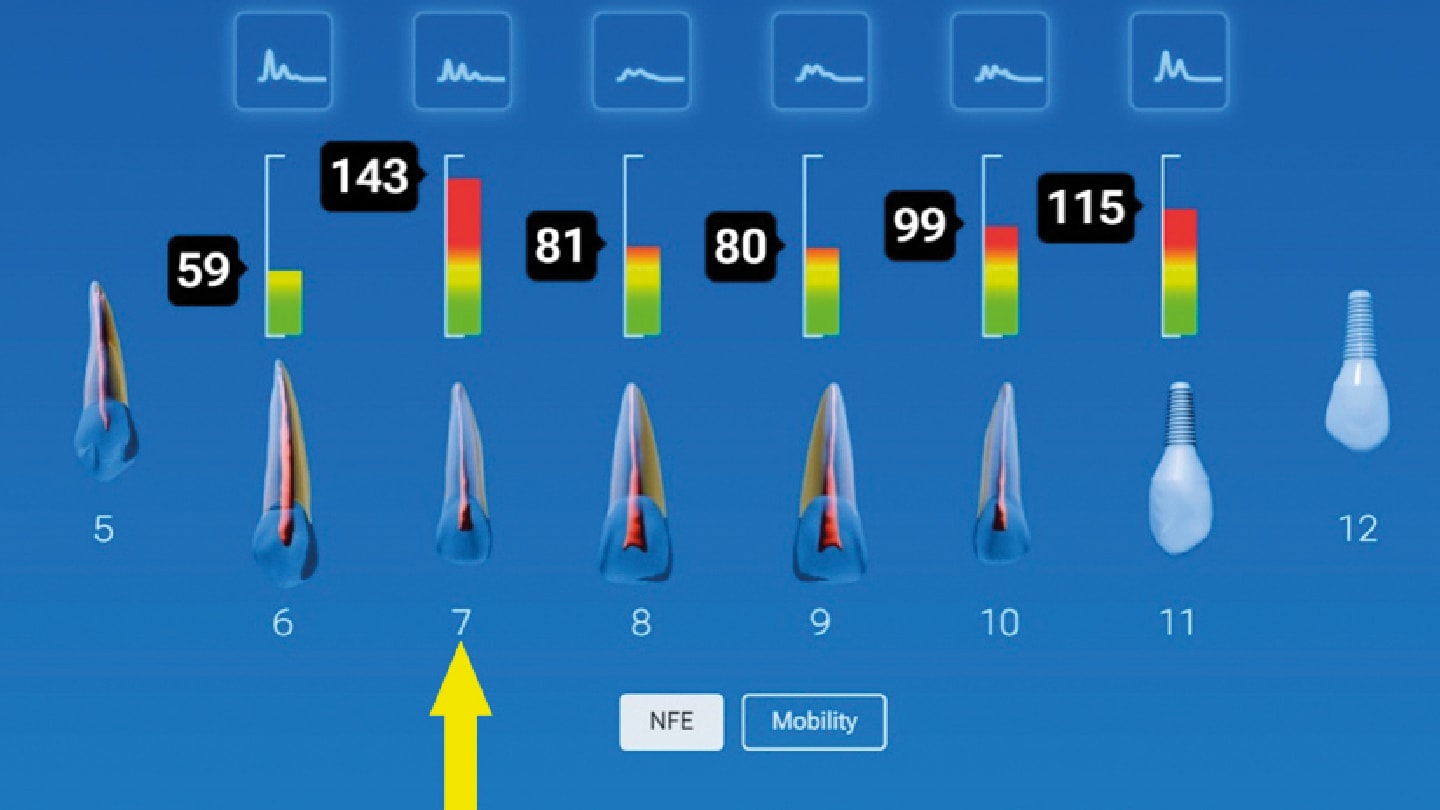
Quantitative Percussion Diagnostics (QPD®) provides a rapid, radiation-free assessment of structural integrity in teeth and restorations.
The InnerView system offers objective measurements of tooth mobility, aiding in the early detection of dental issues.
Early detection of dental problems can lead to less invasive treatment options and improved long-term outcomes.
Advancements in diagnostic technologies are reshaping clinical decision-making in dentistry.
Clinical Implications
Clinicians should consider integrating integrity-focused diagnostic technologies into their practice to enhance early detection of dental issues. This approach can lead to improved patient outcomes and more conservative treatment strategies.
Conclusion
The adoption of advanced diagnostic technologies is essential for overcoming the limitations of traditional radiography in dentistry. These tools enable earlier detection and intervention, ultimately benefiting patient care.