Case Report: Synchronous lingual osseous choristoma and suprahyoid thyroglossal duct cyst: insights into the embryological thyroglossal-hyoid axis - Report - DentalSpire
Advertisement
Case Study: Concurrent Occurrence of Lingual Osseous Choristoma and Suprahyoid Thyroglossal Duct Cyst: Understanding the Embryological Connection of the Thyroglossal-Hyoid Axis
Clinical Report: Concurrent Occurrence of Lingual Osseous Choristoma and TGDC
Background
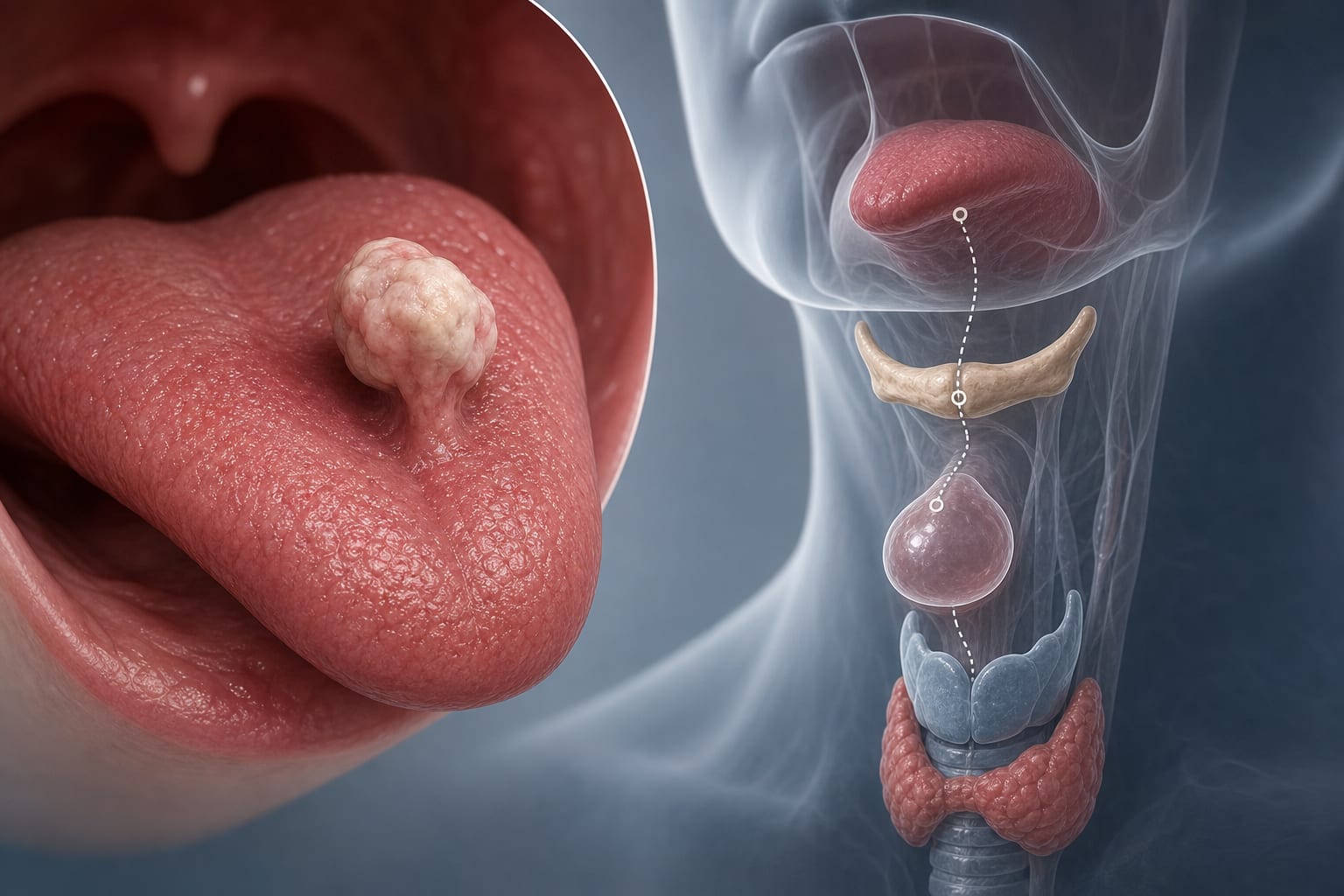
Lingual osseous choristoma is an exceedingly rare benign lesion characterized by mature bone tissue in the tongue's soft tissue. Thyroglossal duct cysts (TGDCs) are common congenital neck lesions resulting from incomplete involution of the thyroglossal duct. Both entities share a common embryological pathway extending from the tongue base through the hyoid bone to the lower cervical region.
Data Highlights
Clinical Course
Details
Initial Recognition
Approximately 4 years before presentation
Symptoms
Slowly enlarging posterior tongue mass, foreign-body sensation during swallowing
Surgical Treatment
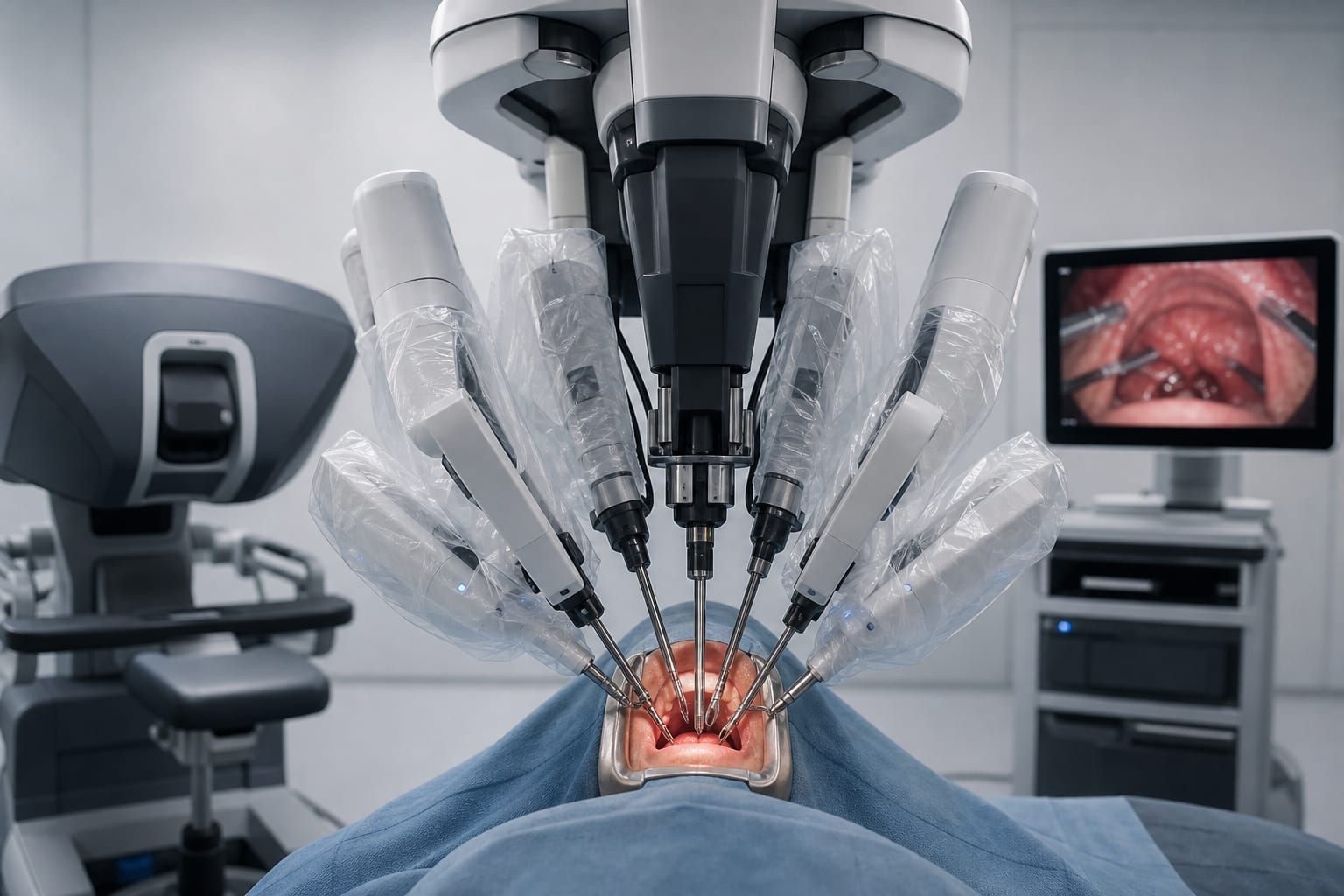
Endoscope-assisted excision of lingual mass, transcervical excision of TGDC
Follow-up
No recurrence at 18 months
Key Findings
The patient presented with a firm, pedunculated lesion on the posterior tongue.
Contrast-enhanced MRI revealed a cystic lesion suggestive of a suprahyoid TGDC.
Histopathological examination confirmed the diagnosis of both lingual osseous choristoma and TGDC.
The surgical approach included partial resection of the hyoid bone and en bloc removal of the thyroglossal duct tract.
Clinical Implications
Thorough imaging of the thyroglossal tract is recommended when encountering osseous lesions of the tongue base.
Conclusion
This case highlights the rare synchronous occurrence of lingual osseous choristoma and TGDC.