Clinical Report: Safe, Effective Pain Management Following Dental Implant Surgery
Background
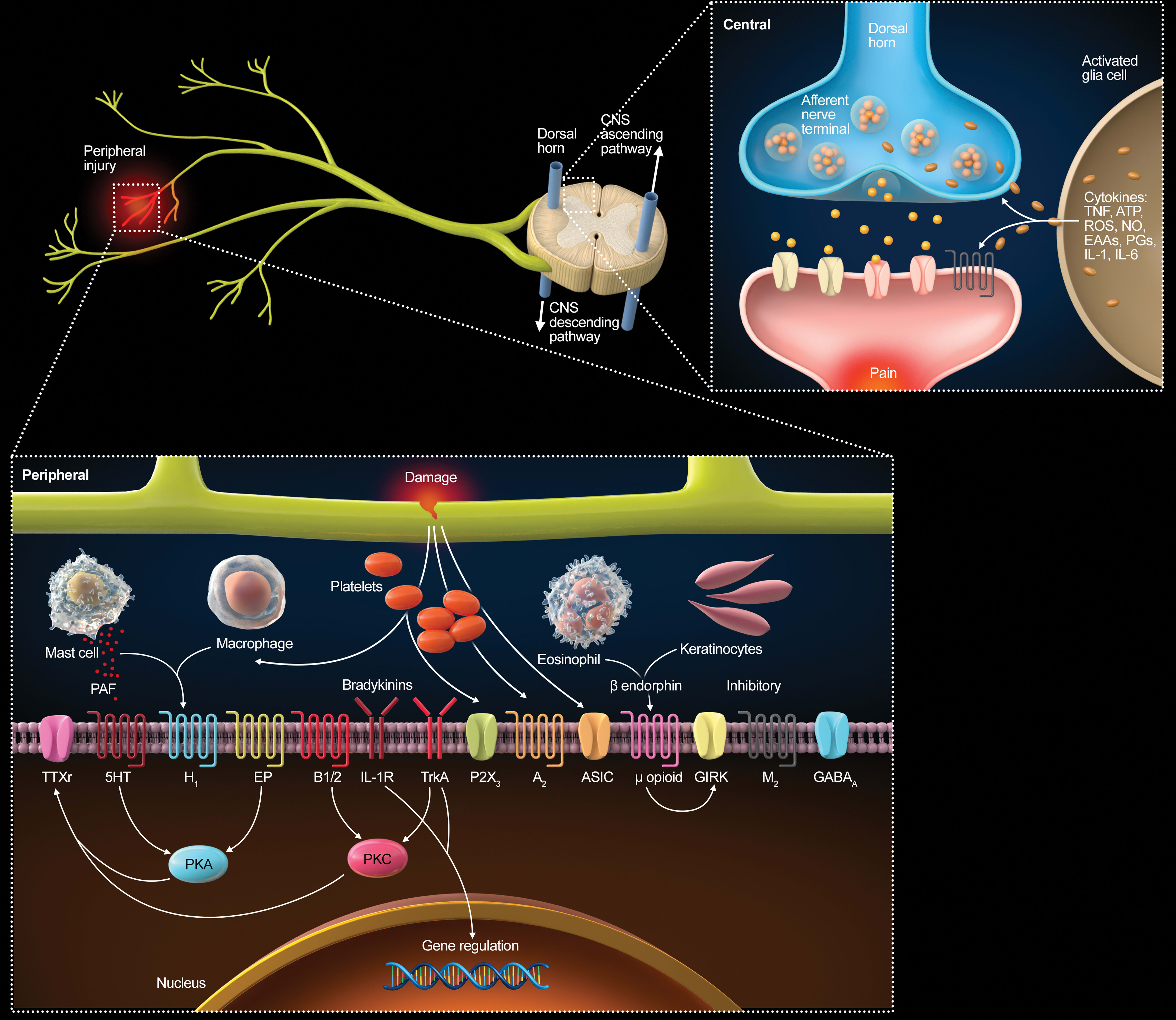
The integration of material sciences and clinical expertise has transformed dental implants into a validated therapeutic intervention. However, the surgical process can induce significant postoperative pain, necessitating effective pain management strategies to prevent opioid misuse and adverse events. Understanding the neurobiology of pain and the limitations of current analgesics is crucial for improving patient outcomes.
Data Highlights
No specific numerical data or trial results were provided in the source material.
Key Findings
Postoperative pain following dental implant surgery is influenced by tissue injury and inflammatory responses.
Current pain management strategies rely heavily on traditional analgesics, which may pose risks of substance abuse.
Effective regional anesthesia and anxiolytics can help alleviate patient anxiety regarding implant procedures.
Nonopioid therapies, particularly NSAIDs, are recommended as first-line treatments for acute dental pain.
Clinical Implications
Clinicians should prioritize nonopioid analgesics, such as NSAIDs, for managing postoperative pain in dental implant patients.
Conclusion
Effective pain management following dental implant surgery is critical to enhancing patient safety and comfort.
Leo Malin, DDS, discusses how clinical challenges inspired him to develop his own implant system and why education remains central to his approach to innovation with Implant Logistics.