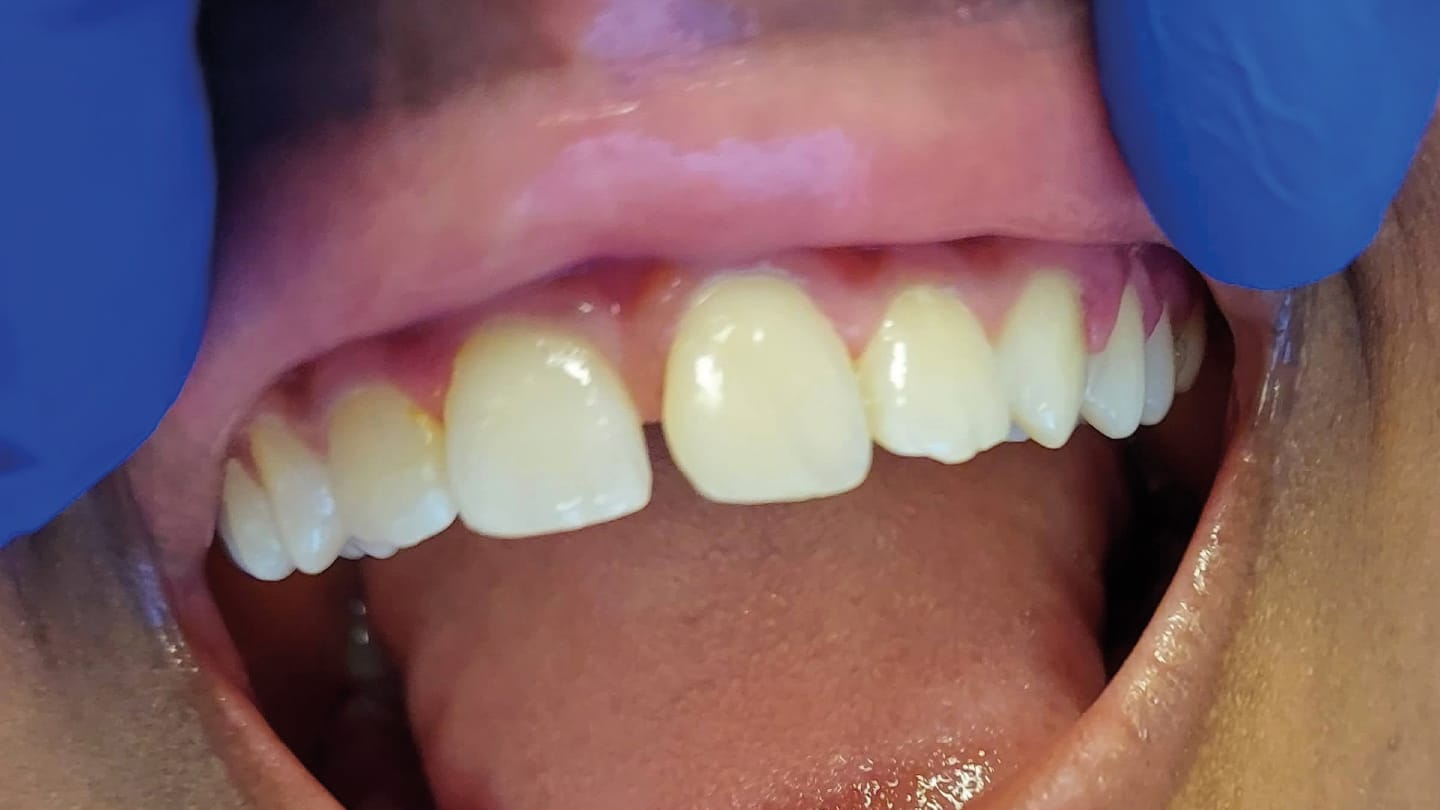
Clinical Report: Mastering Bonding Through Science and Technique
Overview
This report discusses significant advances in adhesive dentistry, particularly the development of universal adhesives and their clinical implications. It highlights the importance of technique sensitivity and moisture control in achieving durable bonds.
Background
Adhesive dentistry has evolved significantly over the past decade, with advancements in materials and techniques that enhance bond strength and longevity. Understanding these developments is crucial for clinicians aiming to improve restorative outcomes and patient satisfaction. The shift towards adhesive techniques emphasizes tooth preservation and the need for meticulous application protocols.
Data Highlights
No numerical data available in the source material.
Key Findings
- Universal adhesives have emerged as a significant advancement, incorporating phosphorus-based functional groups for improved bonding.
- Bond failure is often linked to isolation challenges and technique sensitivity, including over-etching and inadequate curing.
- Two-bottle adhesives show long-term retention rates of nearly 90%, while universal adhesives have a 5-year retention of about 90% based on preliminary studies.
- Moist dentin bonding is ideal, but many adhesives now contain water to help re-wet desiccated dentin.
- Selective etching of enamel improves bond strength, particularly in challenging clinical situations.
Clinical Implications
Clinicians should prioritize technique sensitivity and strict adherence to bonding protocols to enhance adhesive performance. Understanding the properties of universal adhesives and their application can lead to better restorative outcomes, especially in complex cases involving deep or sclerotic dentin.
Conclusion
The advancements in adhesive dentistry underscore the importance of both material science and clinical technique. Ongoing education and adaptation to new protocols are essential for maximizing the benefits of these innovations.
Related Resources & Content
- Lawson, N., Inside Dentistry, 2026 -- Mastering Bonding Through Science and Technique
- Inside Dentistry, 2026 -- Predictable Bonds, Lasting Results
- Inside Dentistry, 2026 -- Product Showcase: Adhesives
- ADA News, 2021 -- Hands-on course designed to increase efficiency, results with posterior restorations
- Deep caries management: EFCD-ESE-ORCA S3-level clinical practice guideline, Clinical Oral Investigations, 2025
- ADA, 2025 -- Draft Evidence-Based Clinical Practice Guideline on Restorative Treatments for Caries Lesions
- Bonding performance of universal adhesive systems to enamel – Effects of the acidic composition, ScienceDirect, 2024
- Comparison of Adhesive Strategies with Different Etching Approaches on the Clinical Performance of Restorations in Non-Carious Cervical Lesions, 2026
- Optometric Management — Perfecting The Art of Dispensing from the Exam Chair
- Deep caries management: EFCD-ESE-ORCA S3-level clinical practice guideline | Clinical Oral Investigations | Springer Nature Link
- https://www.ada.org/-/media/project/ada-organization/ada/ada-org/files/resources/research/restorative-caries-treatment-guideline-recommendations_draft.pdf?hash=08E6B9A52809C173A12D66653A362800&rev=ddc2745feb83455bbb7cfa70bb472e2f
- Bonding performance of universal adhesive systems to enamel – Effects of the acidic composition - ScienceDirect
- Comparison of Adhesive Strategies with Different Etching Approaches on the Clinical Performance of Restorations in Non-Carious Cervical Lesions: A Systematic Review and Network Meta-Analysis
- Clinical performance of different adhesion strategies in non-carious cervical lesion restorations: A four-year randomized clinical trial - ScienceDirect
- Bonding Strategies for Zirconia Fixed Restorations: A Scoping Review of Surface Treatments, Cementation Protocols, and Long-Term Durability
- Clinical benefits of immediate dentin sealing: A systematic review and meta-analysis - ScienceDirect
Based on findings from:
Mastering Bonding Through Science and Technique
Inside Dentistry, 2026.
https://www.insidedentistry.net/2026/03/masteringbonding/
This content is an AI-generated, fully rewritten summary based on a published scholarly article. It does not reproduce the original text and is not a substitute for the original publication. Readers are encouraged to consult the source for full context, data, and methodology.