Restorative Management of Constriction and Spacing Following Arch Expansion
-
By
-
Michael An
-
May 1, 2026
-
16 min
Clinical Report: Restorative Management of Constriction and Spacing Following Arch Expansion
Overview
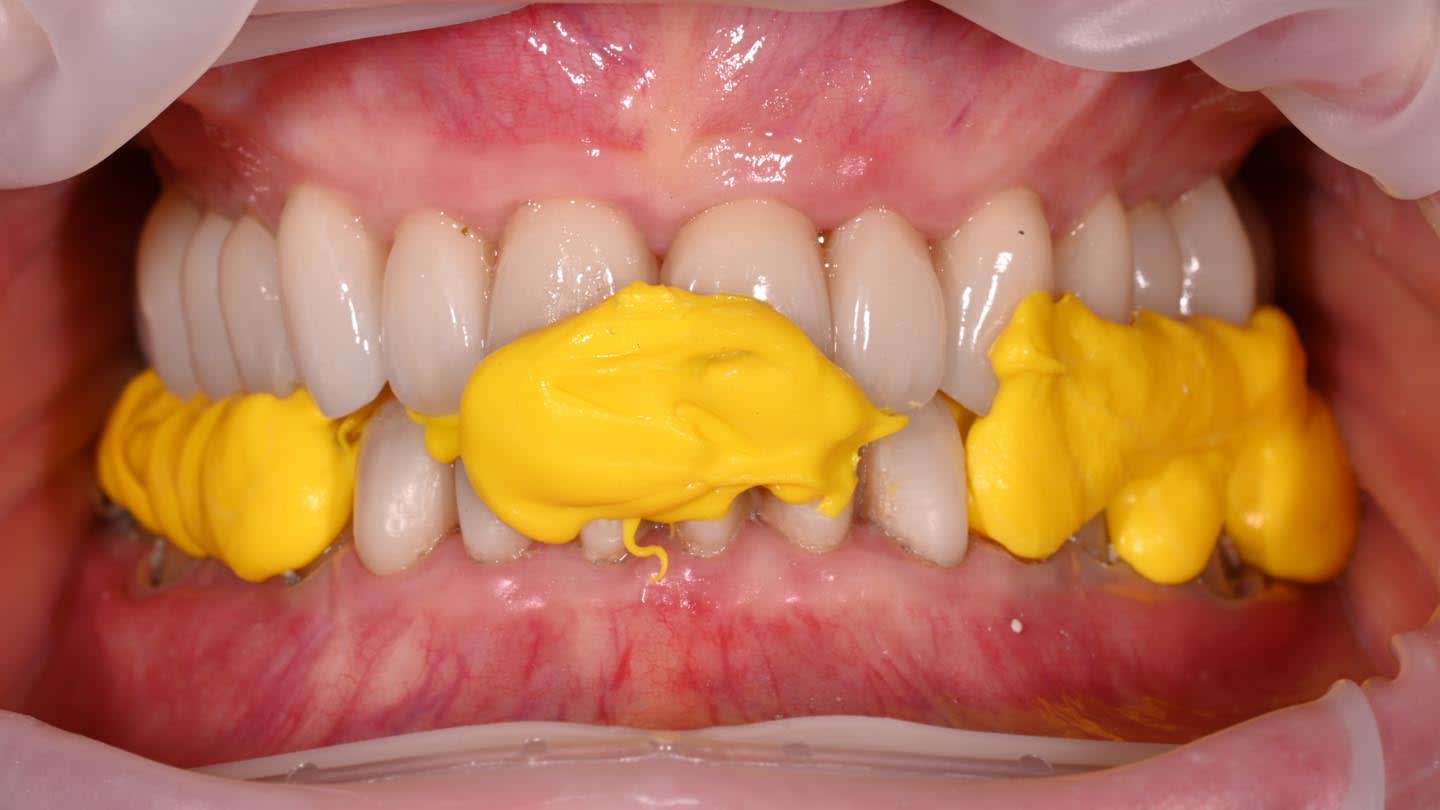
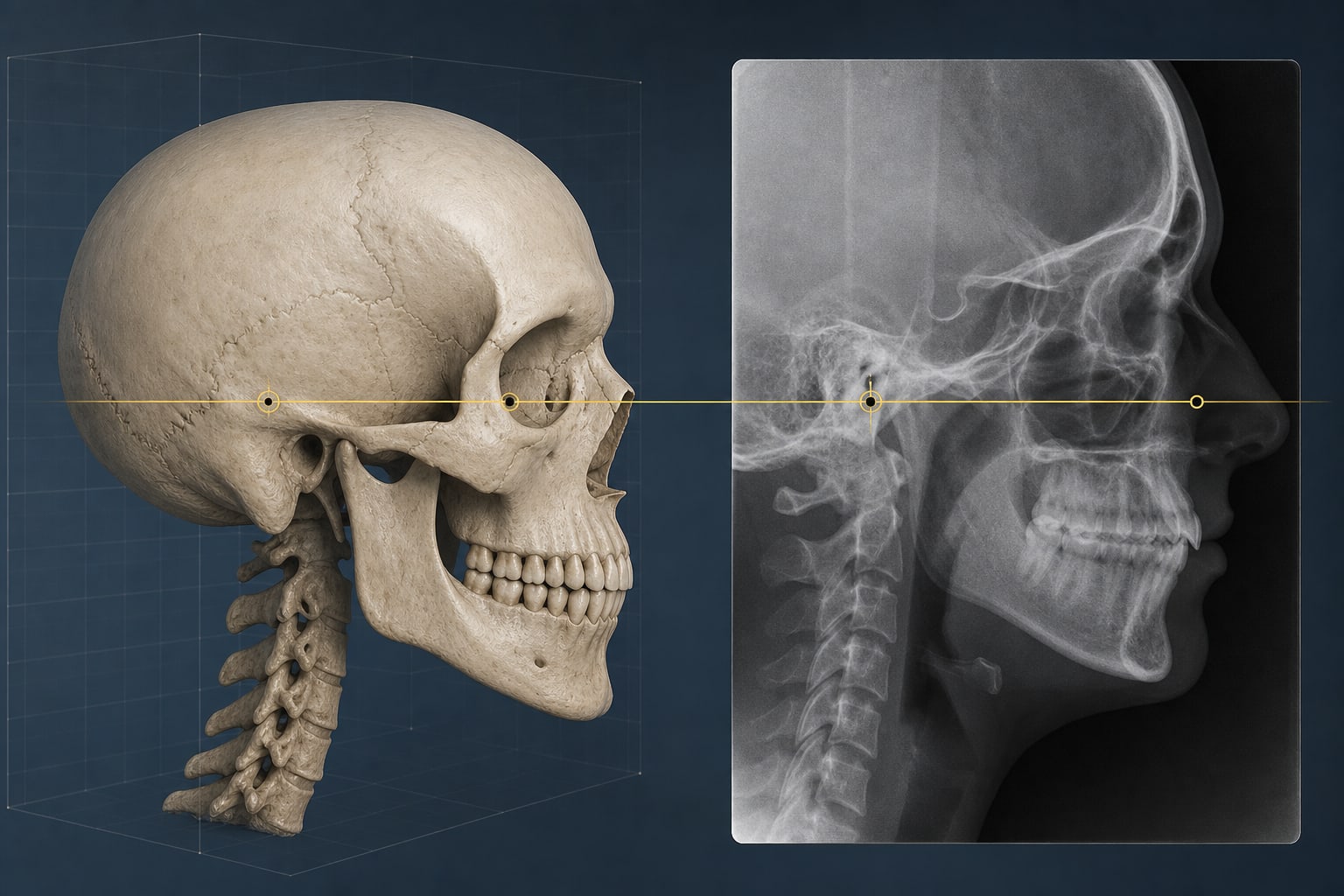
This case report highlights the importance of addressing functional limitations in patients with esthetic concerns following orthodontic treatment. A structured diagnostic approach revealed a constricted chewing pattern that contributed to ongoing symptoms, leading to a comprehensive treatment plan that improved comfort and restored function.
Background
Patients often seek esthetic improvements due to tooth wear or after orthodontic treatment, but underlying functional constraints can lead to discomfort and long-term disability if not addressed. Identifying these functional limitations is crucial for developing effective treatment plans that respect biological boundaries and achieve predictable outcomes. This case underscores the need for a systematic approach in managing complex dental issues.
Data Highlights
No numerical data presented in the article.
Key Findings
- A constricted chewing pattern (CCP) was identified as a contributing factor to the patient's symptoms and anterior attrition.
- The treatment plan focused on functional stability, risk management, and conservative restorative care.
- Increasing the vertical dimension of occlusion (VDO) created restorative space to improve overjet and the envelope of function.
- The patient experienced significant improvement in comfort and esthetics following the treatment.
- Comprehensive evaluations are essential for assessing periodontal, biomechanical, and functional risks in similar cases.
Clinical Implications
Clinicians should prioritize a structured diagnostic approach when managing patients with esthetic concerns post-orthodontic treatment. Addressing functional limitations can lead to improved patient outcomes, including enhanced comfort and stability in dental restorations.
Conclusion
This case report illustrates the importance of a comprehensive evaluation and a systematic treatment approach in addressing functional constraints in patients with esthetic concerns. By focusing on functional stability, clinicians can achieve better long-term outcomes.
Related Resources & Content
- Author(s)/Org, Source, Year -- Title
- Author(s)/Org, Source, Year -- Title
- Author(s)/Org, Source, Year -- Title
- Author(s)/Org, Source, Year -- Title
- Severe Tooth Wear: European Consensus Statement on Management Guidelines - PubMed
- Skeletally Anchored Maxillary Expansion—A Current Consensus - Rajaganesh Gautam, Shailesh Deshmukh, Jayesh Rahalkar, Siddharth Chakravarty, 2026
- Severe Tooth Wear: European Consensus Statement on Management Guidelines - PubMed
- Skeletally Anchored Maxillary Expansion—A Current Consensus - Rajaganesh Gautam, Shailesh Deshmukh, Jayesh Rahalkar, Siddharth Chakravarty, 2026
- Interdental papilla reconstruction: a systematic review
Based on findings from:
Restorative Management of Constriction and Spacing Following Arch Expansion
Michael An. Compendium, 2026.
https://compendiumlive.com/2026/05/archexpansion/
This content is an AI-generated, fully rewritten summary based on a published scholarly article. It does not reproduce the original text and is not a substitute for the original publication. Readers are encouraged to consult the source for full context, data, and methodology.