Advancing Dental Diagnostics with Integrity-Focused Technologies
Quantitative Percussion Diagnostics identifies caries, cracks, and restoration failure early.
-
By
-
Cherilyn G. Sheets
-
James C Earthman
-
Gregori M. Kurtzman, DDS
-
May 1, 2026
-
Clinical Scorecard: Advancing Dental Diagnostics with Integrity-Focused Technologies
At a Glance
| Category | Detail |
|---|
| Condition | Dental caries, incomplete fractures, and restoration failure |
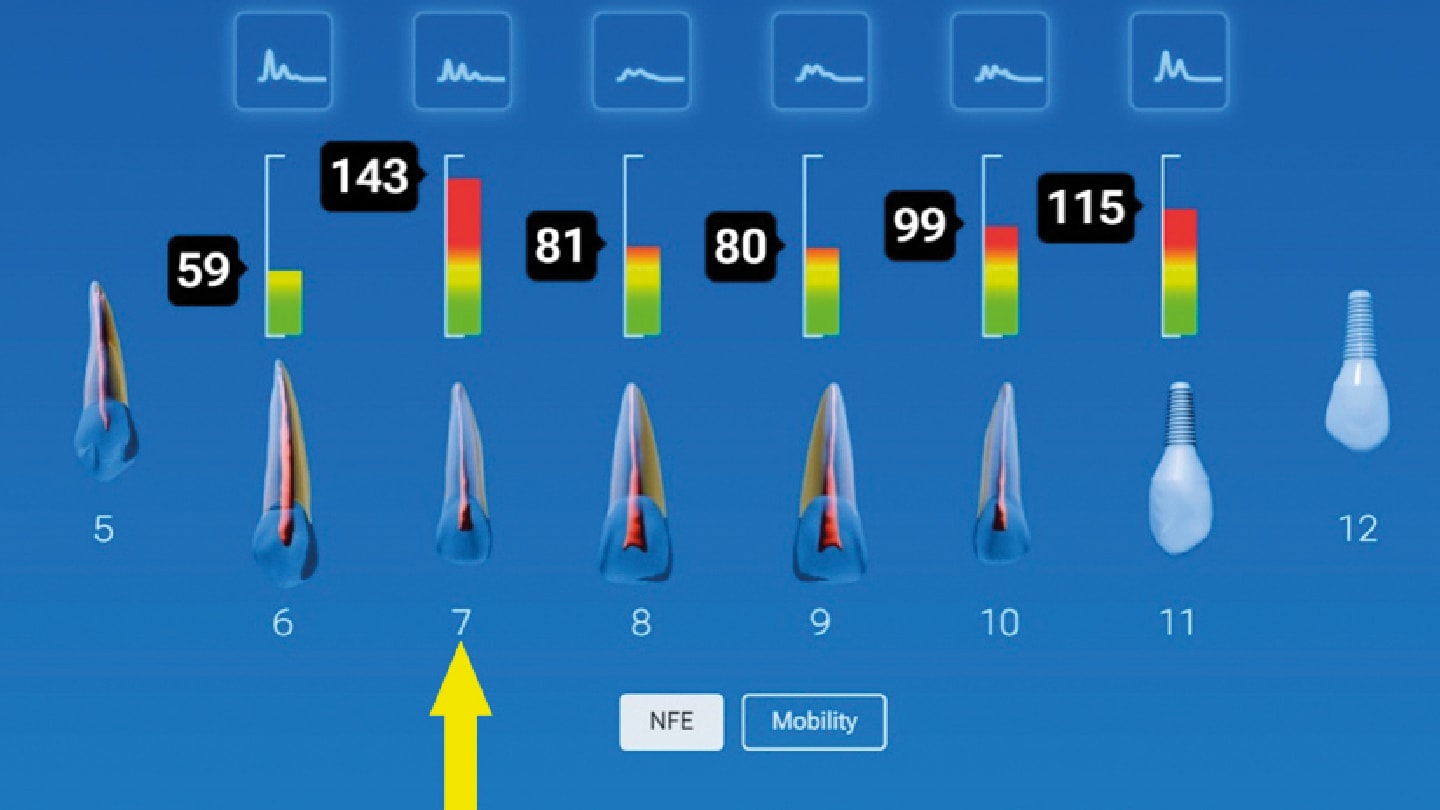
| Key Mechanisms | Quantitative Percussion Diagnostics (QPD) and InnerView® technology for assessing structural integrity |
| Target Population | Patients undergoing routine dental evaluations |
| Care Setting | Dental clinics |
Key Highlights
- Conventional radiographs have limitations in detecting early dental pathologies.
- QPD offers a radiation-free method for evaluating structural integrity.
- InnerView system provides quantitative assessments in under two minutes.
- Early detection of structural issues can lead to less invasive treatments.
- Integration of new technologies enhances diagnostic confidence and patient outcomes.
Guideline-Based Recommendations
Diagnosis
- Utilize QPD and InnerView for early detection of dental issues.
- Consider adjunctive technologies for comprehensive assessments.
Management
- Adopt minimally invasive treatment strategies based on early detection.
- Monitor structural integrity regularly during routine visits.
Monitoring & Follow-up
- Track overall and internal mobility values longitudinally.
- Create a structural health record for each tooth and implant.
Risks
- Conventional radiographs may delay diagnosis until significant damage occurs.
- CBCT exposes patients to higher radiation without routine necessity.
Patient & Prescribing Data
Patients with potential dental caries or restoration issues
Early identification of structural compromise can prevent invasive interventions.
Clinical Best Practices
- Incorporate QPD and InnerView into routine clinical workflows.
- Educate patients on the benefits of early detection technologies.
- Use quantitative data to guide treatment decisions.
Related Resources & Content