Biofluorescence: A New Way to See and Share
Visualizing beyond the surface is transforming the way we detect, treat, and talk about oral disease.
-
By
-
Michael Miyasaki
-
January 1, 2026
-
Clinical Scorecard: Biofluorescence: A New Way to See and Share
At a Glance
| Category | Detail |
|---|
| Condition | Dental caries and periodontal disease |
| Key Mechanisms | Detection of early demineralization and biofilm activity through fluorescence |
| Target Population | Dental patients seeking preventive care |
| Care Setting | Dental practices |
Key Highlights
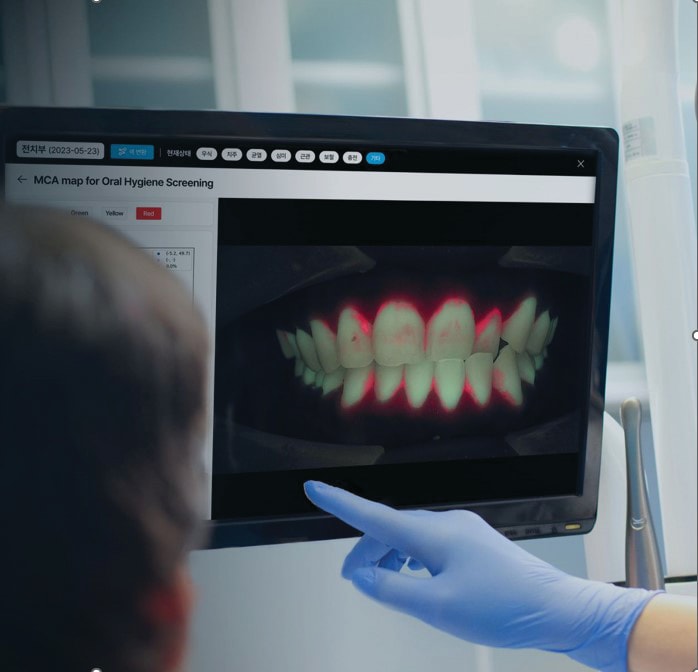
- Biofluorescence visualizes early microscopic changes in enamel and biofilm activity.
- Quantitative metrics allow for objective diagnosis and tracking of dental health.
- Early detection can prevent costly treatments and enhance patient engagement.
- Transforms patient-dentist interactions into collaborative care.
- Supports preventive imaging fees that patients are willing to pay.
Guideline-Based Recommendations
Diagnosis
- Utilize biofluorescence to detect demineralization before radiographic changes occur.
- Analyze fluorescence metrics for objective assessment of tooth health.
Management
- Incorporate biofluorescence in routine hygiene exams.
- Use biofluorescence data to guide preventive treatment plans.
Monitoring & Follow-up
- Track changes in fluorescence metrics over time to evaluate treatment efficacy.
- Monitor the effectiveness of remineralization programs and other interventions.
Risks
- Potential for misinterpretation of fluorescence results without proper training.
Patient & Prescribing Data
Patients undergoing dental hygiene and preventive care.
Patients can visualize their dental health, enhancing understanding and compliance.
Clinical Best Practices
- Train dental staff on the interpretation of biofluorescence results.
- Incorporate biofluorescence imaging into every hygiene visit.
- Present side-by-side comparisons of normal and fluorescence images to patients.
Related Resources & Content