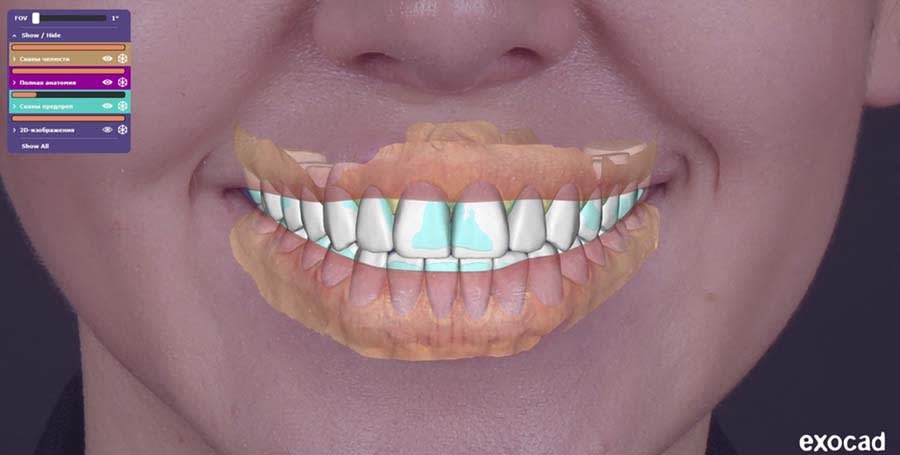
Managing Esthetics and Economics in the Older Patient: A Case Report
Selective intervention preserves tooth structure while improving smile harmony and soft-tissue response.
By
Dimple Desai
March 1, 2026
Clinical Scorecard: Managing Esthetics and Economics in the Older Patient: A Case Report
At a Glance
Category Detail
Condition Dental restoration in older patients Key Mechanisms Balancing esthetic needs with budgetary constraints Target Population Patients aged 65 years and older Care Setting Dental practice
Key Highlights
Older patients are retaining more natural teeth than previous generations. The rate of edentulism in adults 65+ has decreased significantly. Financial limitations impact treatment choices for older patients. Minimally invasive approaches are preferred by older patients. Regular dental visits are crucial for maintaining oral health. Guideline-Based Recommendations
Diagnosis
Assess patient motivation and financial constraints. Utilize intraoral scans for visualization of dental issues. Management
Develop treatment plans that balance esthetics and budget. Offer minimally invasive restorative options. Monitoring & Follow-up
Regular follow-ups to assess the success of restorations. Monitor for potential future dental issues. Risks
Financial constraints may lead to deferred or incomplete treatment. Neglecting dental care can exacerbate oral health issues. Patient & Prescribing Data
Older adults, particularly those on fixed incomes
Patients may prioritize essential treatments over comprehensive plans.
Clinical Best Practices
Engage patients in discussions about treatment options and costs. Use visual aids to help patients understand their dental conditions. Ensure treatment plans are tailored to individual patient needs. Related Resources & Content