Bioactive Bone Grafting Designed to Support Predictable Regeneration
By
Charles D Schlesinger
September 1, 2026
Clinical Scorecard: Bioactive Bone Grafting Designed to Support Predictable Regeneration
At a Glance
Category Detail
Condition Bone Grafting Key Mechanisms Ion exchange and biomimetic scaffold support bone regeneration. Target Population Patients requiring bone grafting for dental implants. Care Setting Implant dentistry
Key Highlights
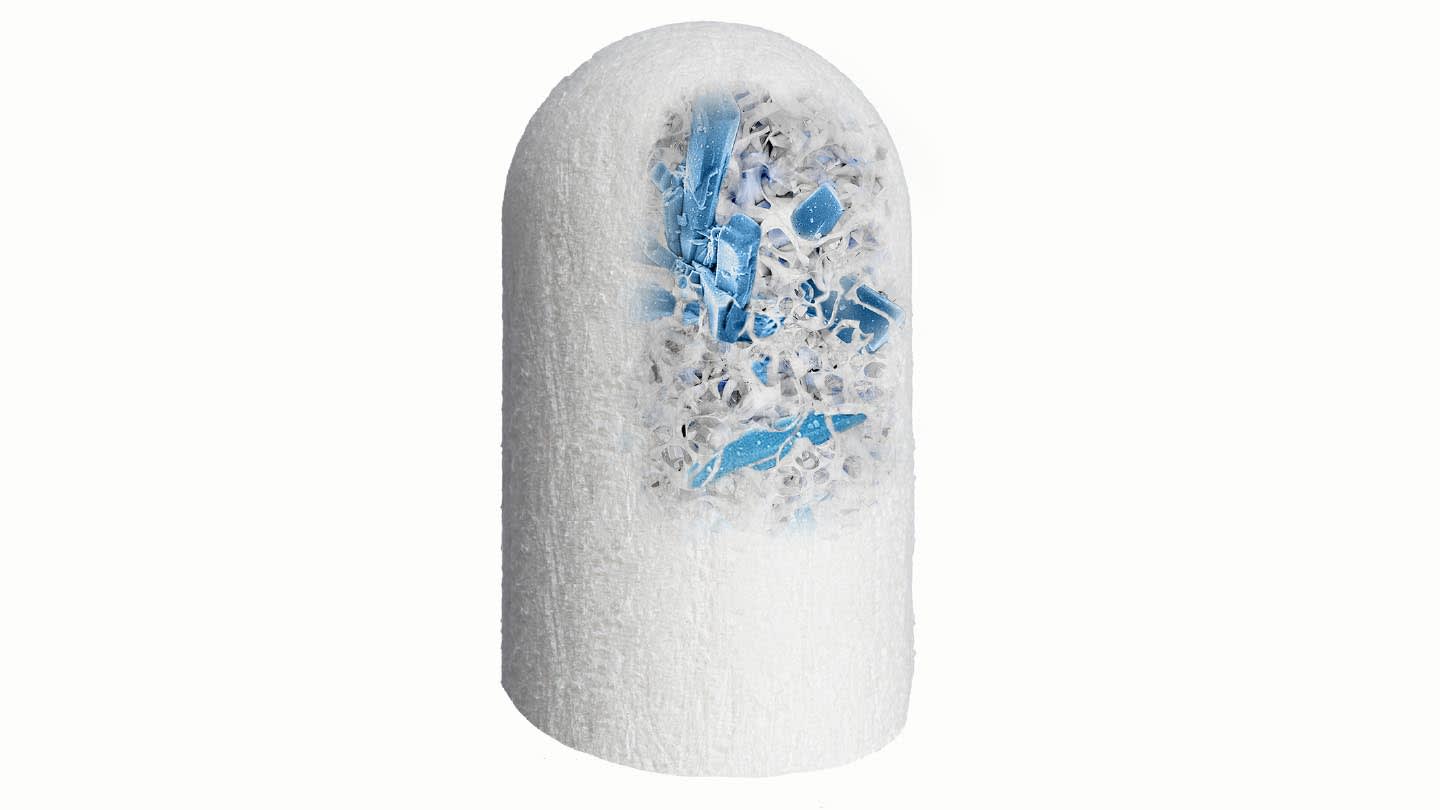
OsteoGen™ incorporates Bioactive Crystal Technology for enhanced bone regeneration. Non-sintered structure allows for active participation in the healing process. Material transitions from radiolucent to radiopaque, aiding in monitoring healing. Integrated collagen matrix often eliminates the need for a separate barrier membrane. No pre-hydration is needed as OsteoGen absorbs the patient's blood upon placement. Guideline-Based Recommendations
Diagnosis
Evaluate the need for bone grafting in dental implant procedures. Management
Consider starting with alveolar ridge preservation cases to gain familiarity. Monitoring & Follow-up
Use periapical radiographs 3 to 5 months post-grafting to assess healing. Risks
Potential for poor bone quality with conventional grafting materials. Patient & Prescribing Data
Patients undergoing dental implant procedures requiring bone support.
OsteoGen can be used in various applications including ridge preservation and sinus elevation.
Clinical Best Practices
Utilize OsteoGen products for predictable bone regeneration outcomes. Monitor healing through radiographic assessments. Related Resources & Content