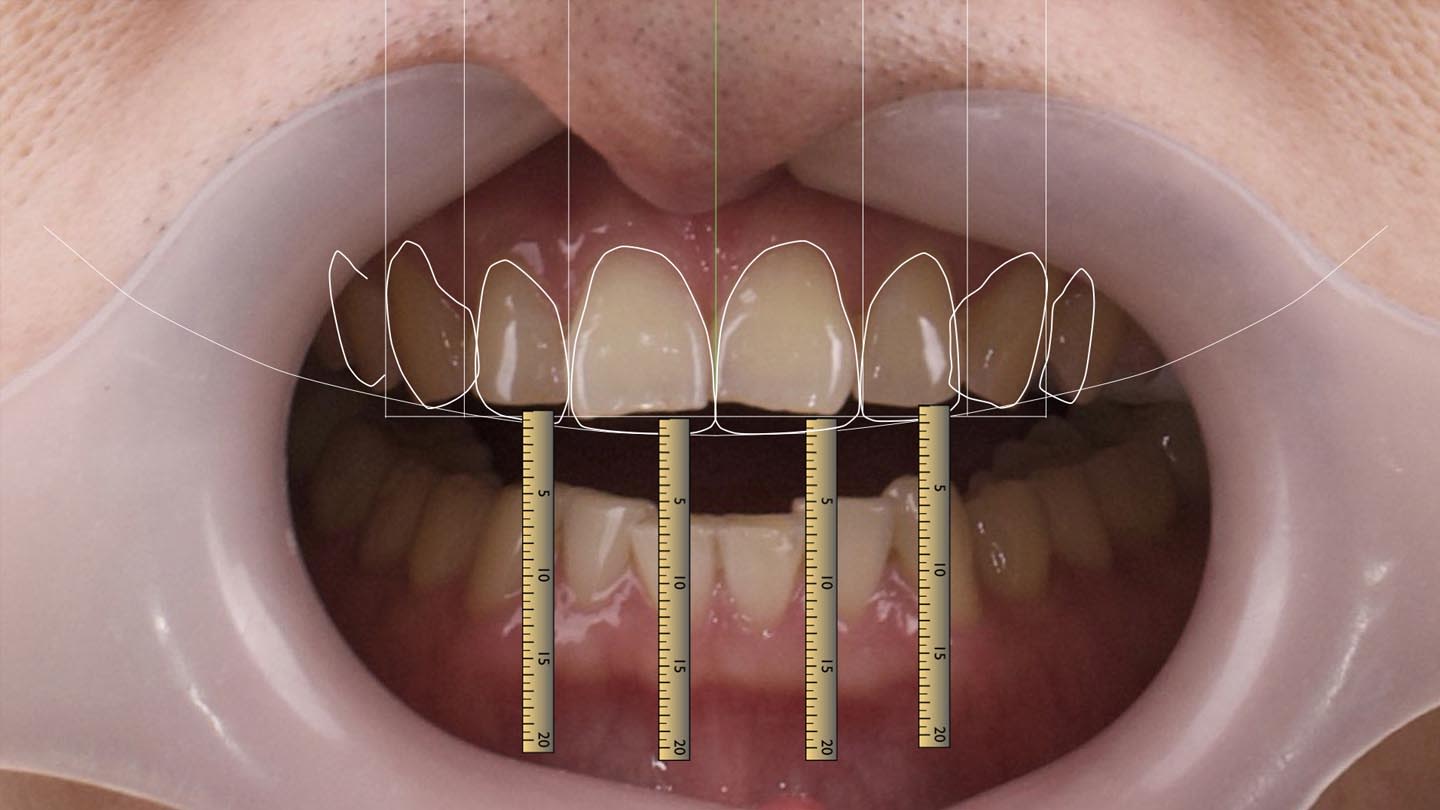
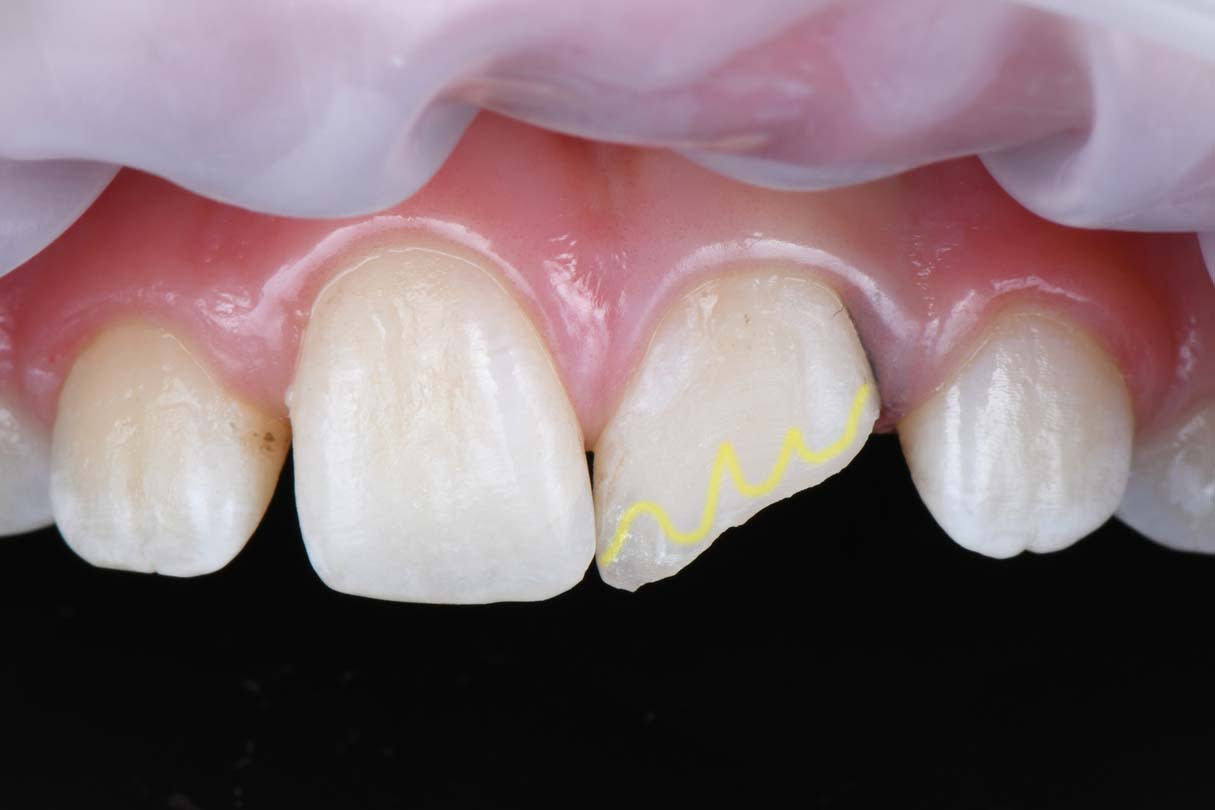
A 7-Year Follow-up: Managing Biomechanics, Function, and an Esthetic Disability
-
By
-
Kris Swanson
-
Leon Hermanides
-
March 1, 2026
-
Clinical Scorecard: A 7-Year Follow-up: Managing Biomechanics, Function, and an Esthetic Disability
At a Glance
| Category | Detail |
|---|
| Condition | Esthetic disability and functional instability |
| Key Mechanisms | Risk-based protocols for restorative treatment |
| Target Population | Adults with esthetic concerns and functional issues |
| Care Setting | Dental practice |
Key Highlights
- Comprehensive restorative treatment led to long-term success over 7 years.
- Minimal invasiveness prioritized without orthodontic intervention.
- Patient experienced improved esthetics and functional stability.
- Structured risk-management approach provided valuable insights.
- Patient's cardiovascular condition required ongoing monitoring.
Guideline-Based Recommendations
Diagnosis
- Conduct thorough risk assessment and diagnosis using established protocols.
Management
- Implement conservative restorative strategies to enhance esthetics and function.
Monitoring & Follow-up
- Regular follow-ups to assess periodontal health and biomechanical stability.
Risks
- Monitor cardiovascular health due to medication impacts on anesthetic risks.
Patient & Prescribing Data
Adult patient with esthetic and functional dental concerns.
Long-term follow-up indicates stability and satisfaction with conservative treatment.
Clinical Best Practices
- Utilize risk-based treatment planning to minimize complications.
- Focus on preserving tooth structure during restorative procedures.
- Encourage patient compliance with homecare to maintain periodontal health.
Related Resources & Content