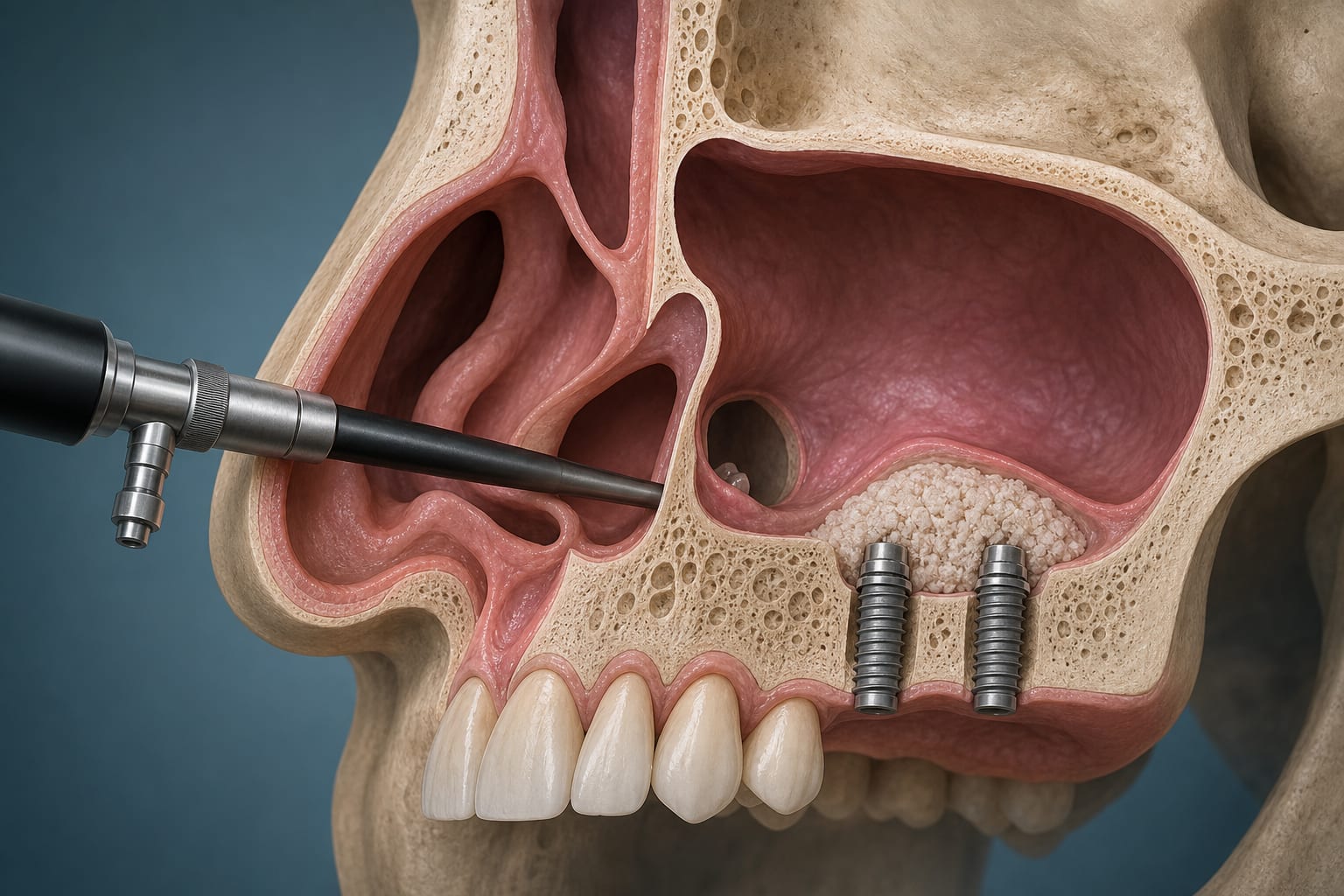
To explore the integration of advanced technology in clinical practice for efficient, patient-centered care in implant dentistry.
Approach:
Key Findings:
Digital planning allows for precise implant placement and immediate loading.
The use of NobelActive and N1 implants supports strong primary stability.
Chairside production of temporary restorations significantly reduces patient wait time.
Interpretation:
The integration of digital workflows in implant dentistry enhances efficiency and patient satisfaction by providing immediate, fixed restorations post-surgery.
Limitations:
Dependence on advanced technology may require additional training for staff.
Not all practices may have access to the necessary digital tools and equipment.
Conclusion:
By combining advanced technology with a cohesive team approach, clinicians can deliver efficient and effective implant therapy, improving patient outcomes and experiences.