To develop recommendations for individualized, risk-based approaches to preventing and managing periodontal diseases, including the selective use of adjunctive antiseptic mouthrinses.
Approach:
Meeting Overview: A multidisciplinary group of US and international oral health experts convened at Kenvue’s headquarters in New Jersey to discuss and formulate recommendations on periodontal disease management as part of the Principles for Oral Health initiative, led by the SEPA Foundation.
Focus on Individual Needs: The panel emphasized the importance of identifying patients who may struggle with biofilm control through standard oral hygiene practices, noting that mechanical oral hygiene may be insufficient for some patients.
Adjunctive Antiseptics: The use of antiseptic mouthrinses is recommended selectively based on individual clinical needs and barriers to effective mechanical biofilm control, particularly for patients with local or systemic factors complicating plaque control.
Key Findings:
42.2% of dentate US adults aged 30 years or older have some degree of periodontitis, with prevalence reaching 59.8% among adults aged 65 years or older.
Adjunctive antiseptics can reduce dental biofilm and gingival inflammation when combined with mechanical plaque control, particularly in patients with complicating factors.
Certain patient populations may benefit from adjunctive strategies due to local or general factors complicating biofilm control.
Interpretation:
The recommendations highlight the need for personalized periodontal care that incorporates both mechanical and adjunctive strategies based on individual patient circumstances.
Limitations:
Current evidence is insufficient to conclude that home use of antiseptics alone can prevent periodontitis.
Safety of antiseptics in pregnant or breastfeeding women has not been sufficiently studied, and caution is advised for children younger than 6 years.
Conclusion:
Integrating adjunctive antiseptic strategies into a broader preventive approach is essential for effective periodontal disease management.
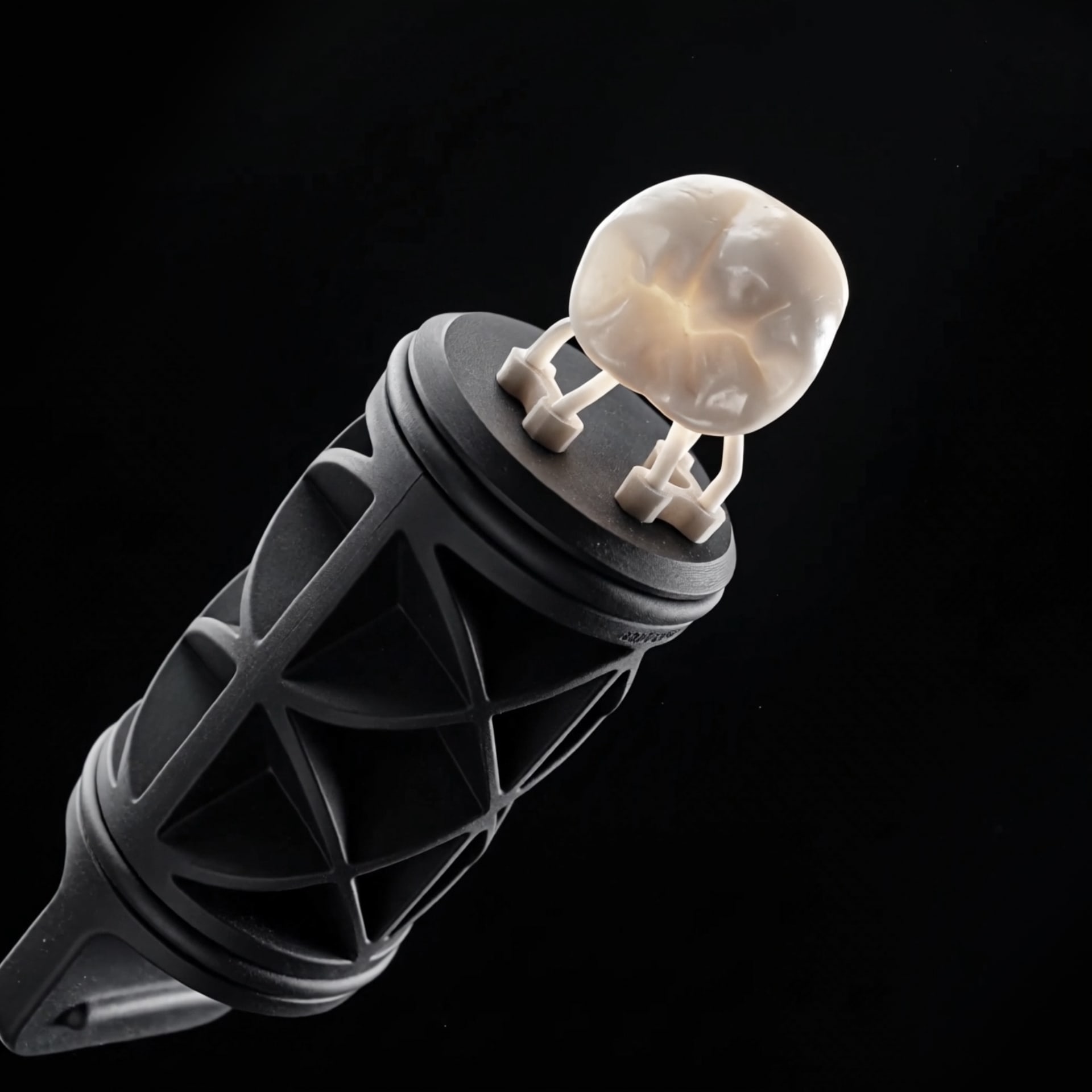
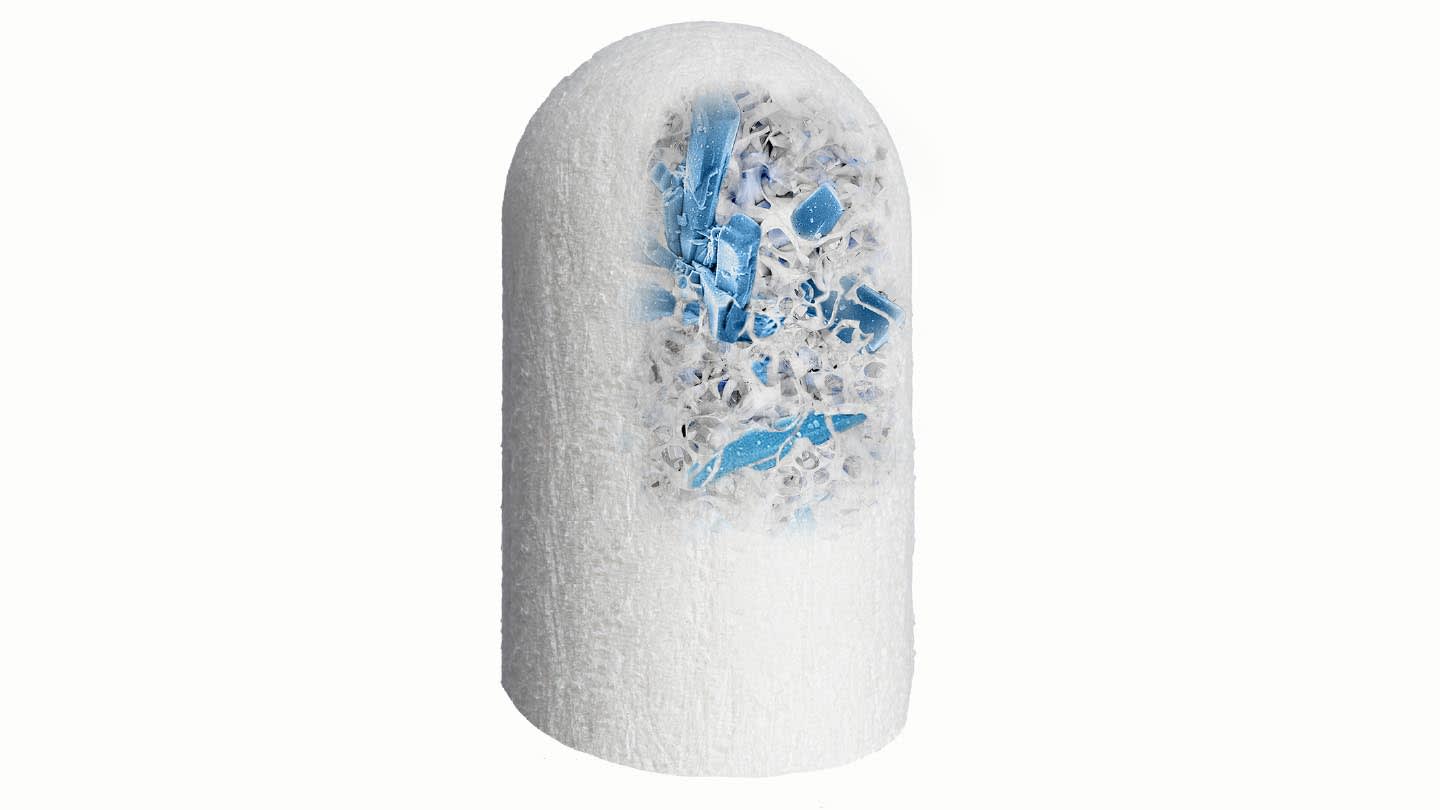
The ceramic- and zirconia-filled resin is indicated for the fabrication of definitive crowns, inlays, onlays, and veneers using a chairside digital workflow.