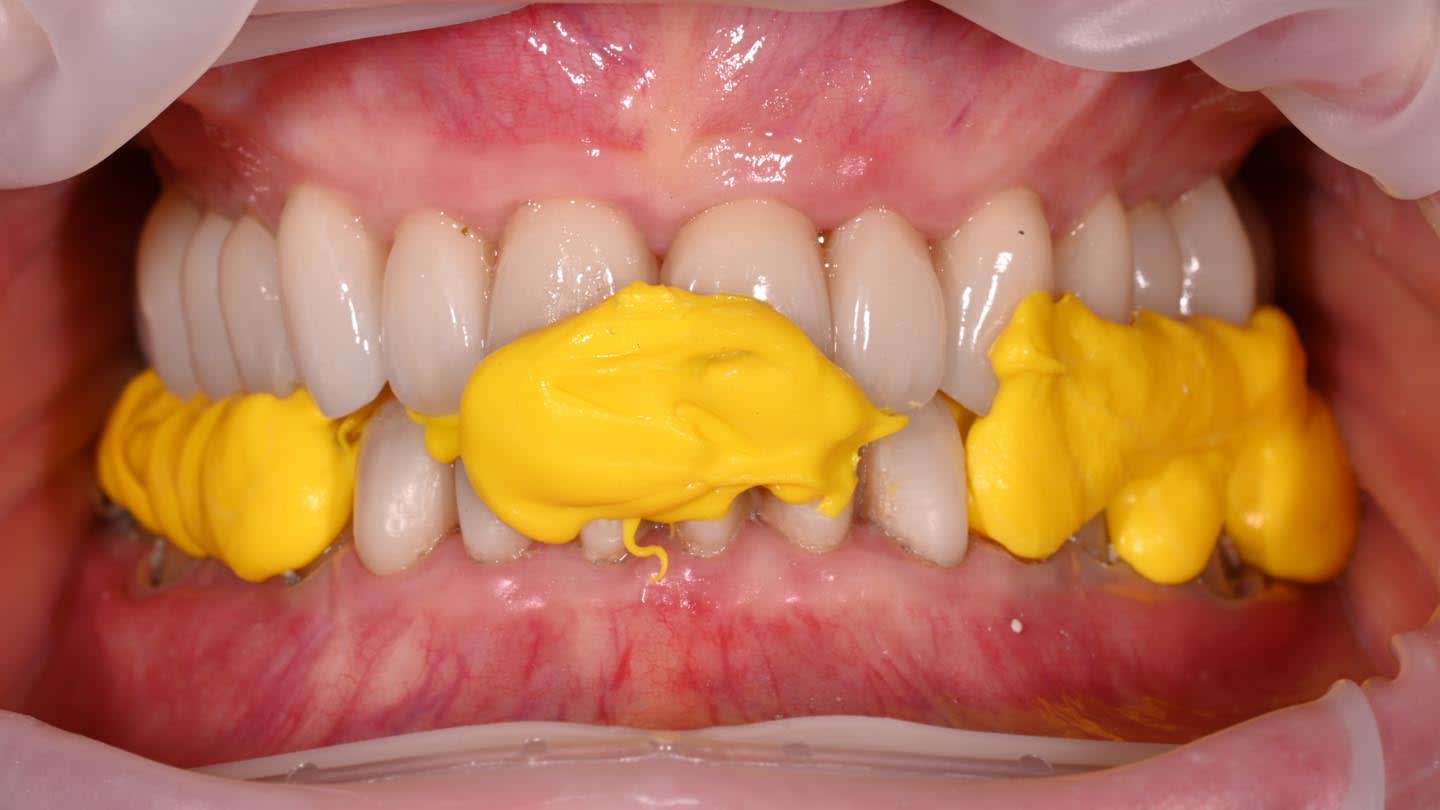
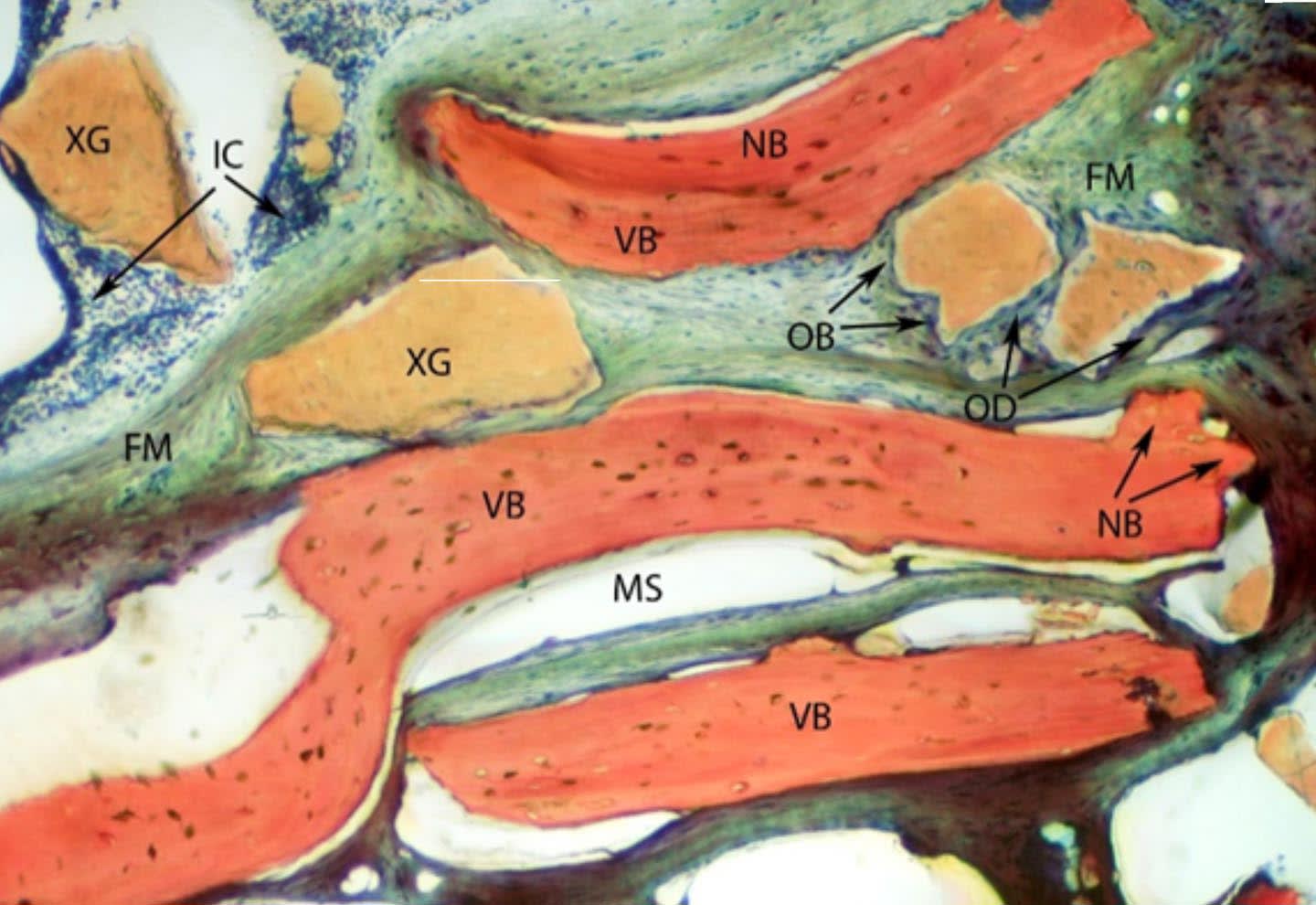
To explore the latest concepts, techniques, and clinical strategies for developing strong bone and periodontal foundations for implant therapy.
Approach:
Advancements in Techniques: The article discusses advancements in bone regeneration, periodontal plastic surgery, and biomaterial science that enhance the ability to rebuild deficient ridges and optimize peri-implant tissues.
Interdisciplinary Approaches: It highlights the use of techniques like surgically facilitated orthodontic therapy (SFOT) to improve bone architecture and periodontal support.
Alternative Solutions: The article presents zirconia cantilever resin-bonded fixed dental prostheses as a minimally invasive alternative to implant placement.
Key Findings:
Modern implant dentistry emphasizes the reconstruction and preservation of hard and soft tissues for durable, esthetic outcomes.
Innovations in guided bone regeneration, growth factor technologies, and soft-tissue augmentation have improved treatment predictability and outcomes.
Attention to bone volume, tissue quality, vascularity, and healthy peri-implant environments is crucial for successful implant therapy.
Interpretation:
The reconstruction of biologic foundations is essential for achieving lasting, esthetic, and functional outcomes in implant dentistry.
Limitations:
Implant treatment may not be suitable for younger patients experiencing skeletal growth.
Alternative solutions may be necessary in specific clinical situations.
Conclusion:
The reconstruction of biologic foundations remains central to achieving lasting, esthetic, and functional outcomes in modern implant therapy.
The platform is intended to streamline the steps involved in guided implant workflows while allowing clinicians to maintain control over treatment planning.