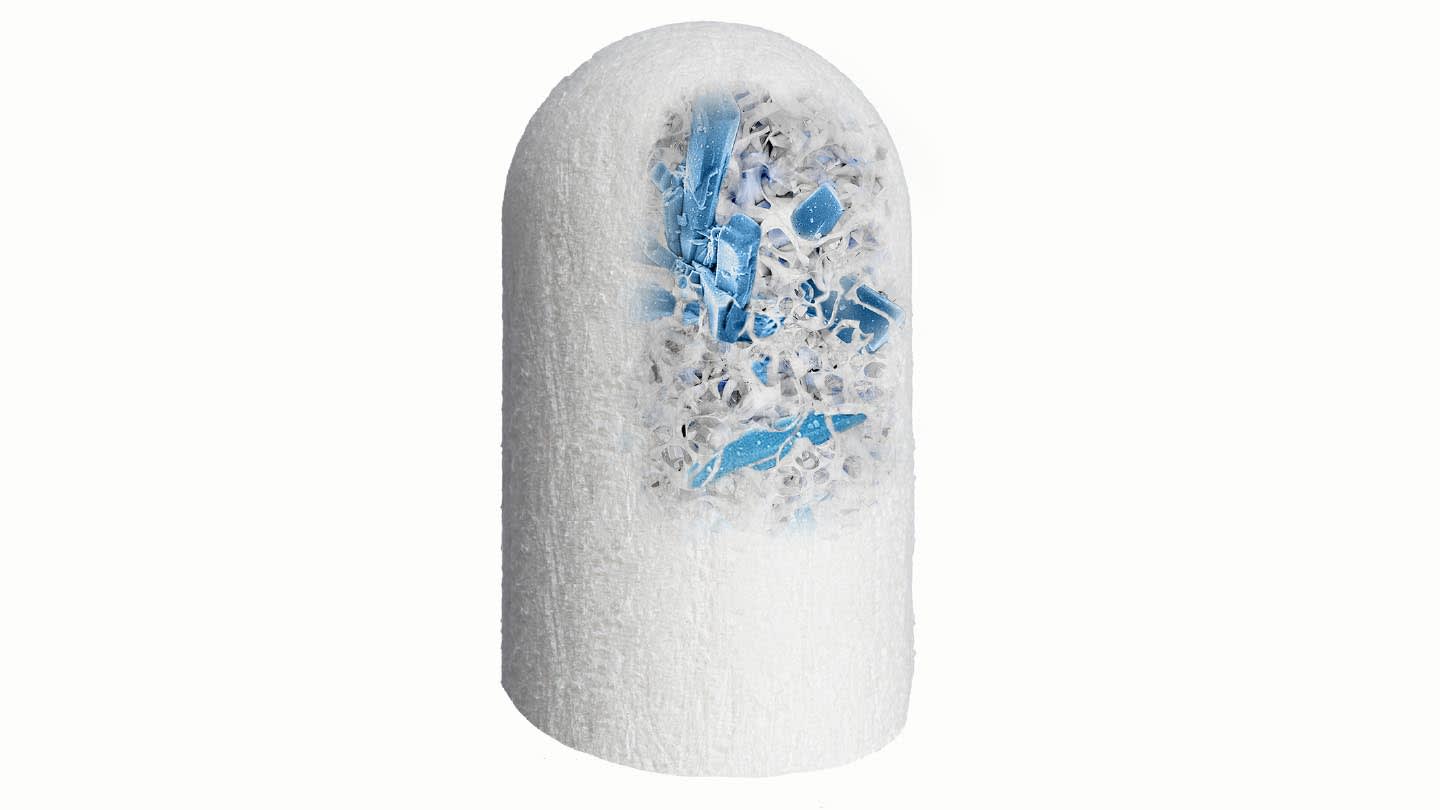
To introduce the facial allograft shield technique (FAST) as an effective alternative for managing type II socket defects during immediate implant placement, potentially improving patient outcomes.
Key Findings:
The FAST technique can expand the pool of candidates for immediate implant protocols, particularly those previously deemed unsuitable.
It eliminates the need for a second surgery to retrieve nonresorbable membranes, reducing patient morbidity.
The technique offers a quicker timeline for final loading of implants, approximately 3 to 4 months.
Interpretation:
The facial allograft shield technique presents a minimally invasive option for patients with inadequate facial bone support, potentially improving outcomes in immediate implant placement and enhancing patient satisfaction.
Limitations:
The technique may not be suitable for all clinical situations, particularly those with active infections or severe bone loss, and may carry risks of complications.
Long-term outcomes and success rates of the FAST technique require further investigation to establish its efficacy.
Conclusion:
FAST represents a promising advancement in dental implantology, allowing for effective reconstruction of facial bone defects while minimizing patient morbidity, but further research is needed to validate its long-term success.