Conexiant’s news site is now MDSpire News. Learn more
Advertisement
Restoring an Endodontically Treated Tooth with Limited Interocclusal Space
A conservative endocrown approach is presented as an alternative to crown lengthening and post-retained restorations in a molar with severe structural loss.
To present a case study on the restoration of an endodontically treated tooth with limited interocclusal space using an adhesive partial-coverage endocrown, highlighting its significance in contemporary dental practice.
Key Findings:
Endocrowns provide a conservative alternative to traditional crown lengthening and full-coverage restorations, particularly in cases with limited space.
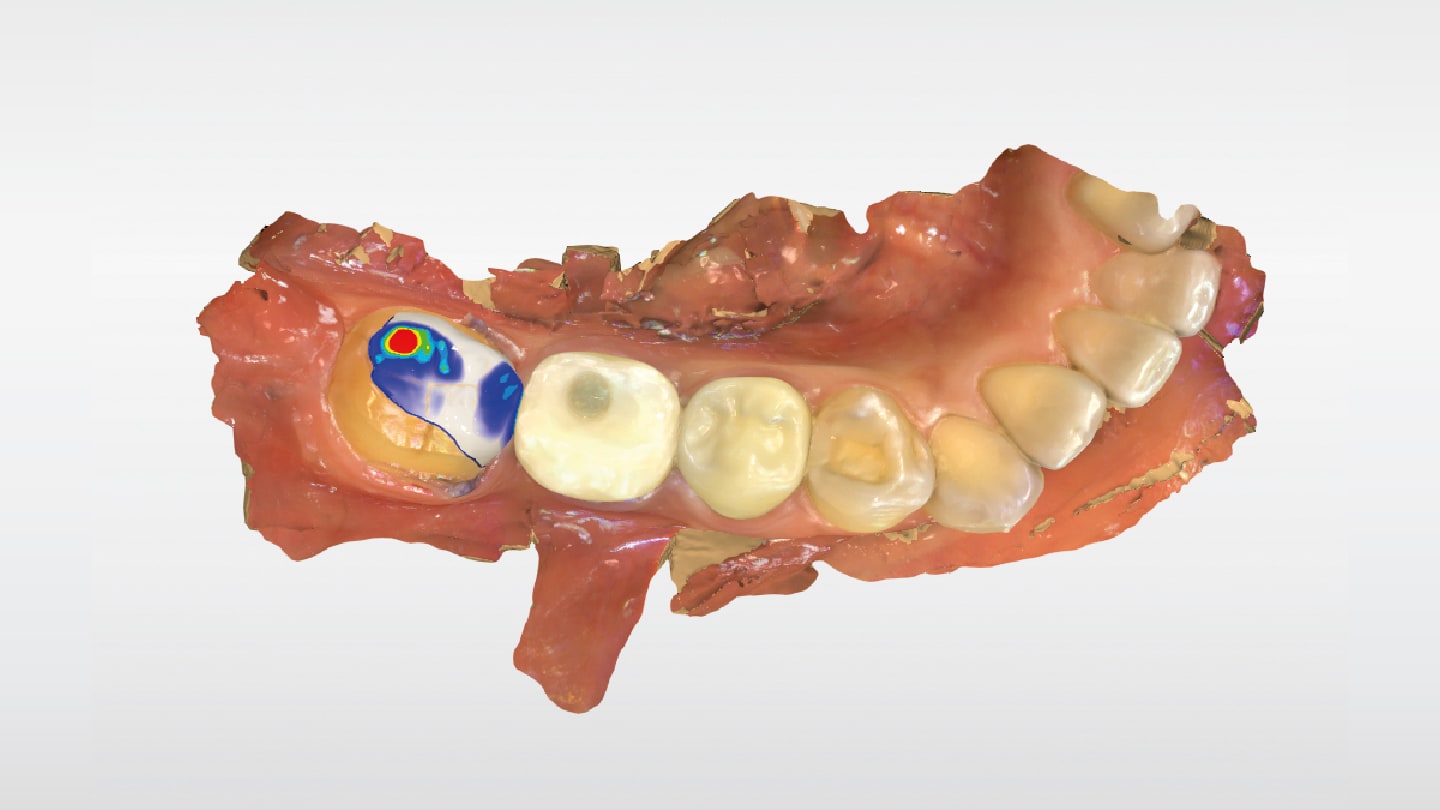
The use of CAD/CAM technology allows for efficient and precise restoration, enhancing clinical outcomes.
Endocrowns demonstrated favorable survival rates (81.1% to 98.66%) over 2 to 7 years, supporting their use in clinical practice.
Interpretation:
Endocrowns are a viable option for restoring endodontically treated molars with limited space, preserving tooth structure and improving clinical outcomes, which is crucial for dental practitioners.
Limitations:
The case is a single patient report and may not represent broader populations, introducing potential biases.
Long-term outcomes beyond 7 years are not addressed, necessitating further research.
Conclusion:
Endocrowns are a predictable and effective solution for restoring endodontically treated teeth with significant structural loss and limited interocclusal space, emphasizing the importance of proper case selection and adhesive techniques.
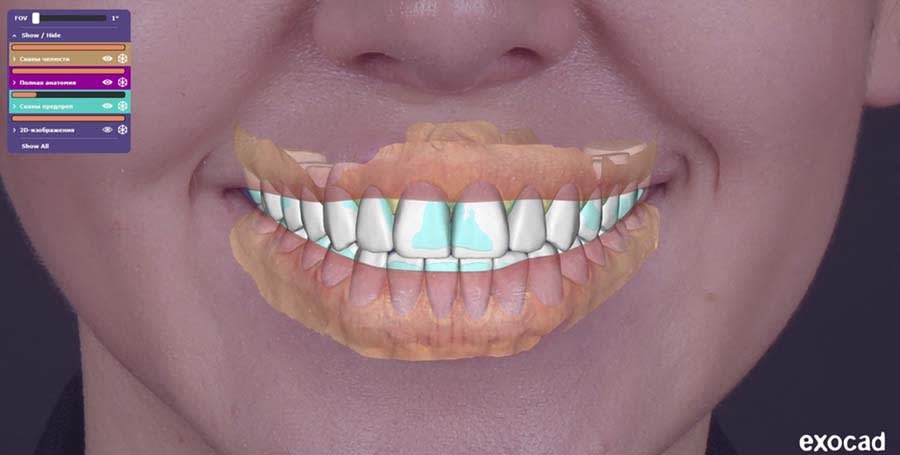
This article presents a clinical case of a comprehensive full-mouth rehabilitation in a 26-yearold female patient with an anterior open bite and accompanying mild chronic generalized periodontitis.