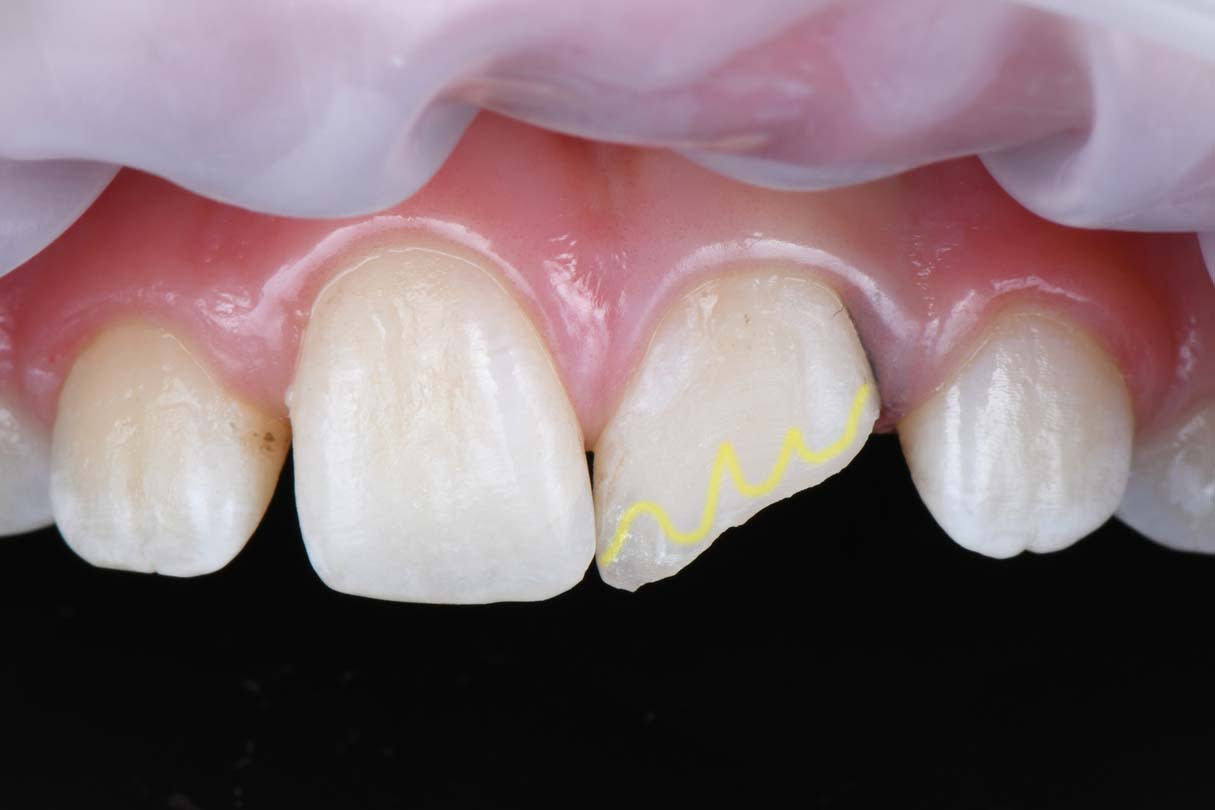
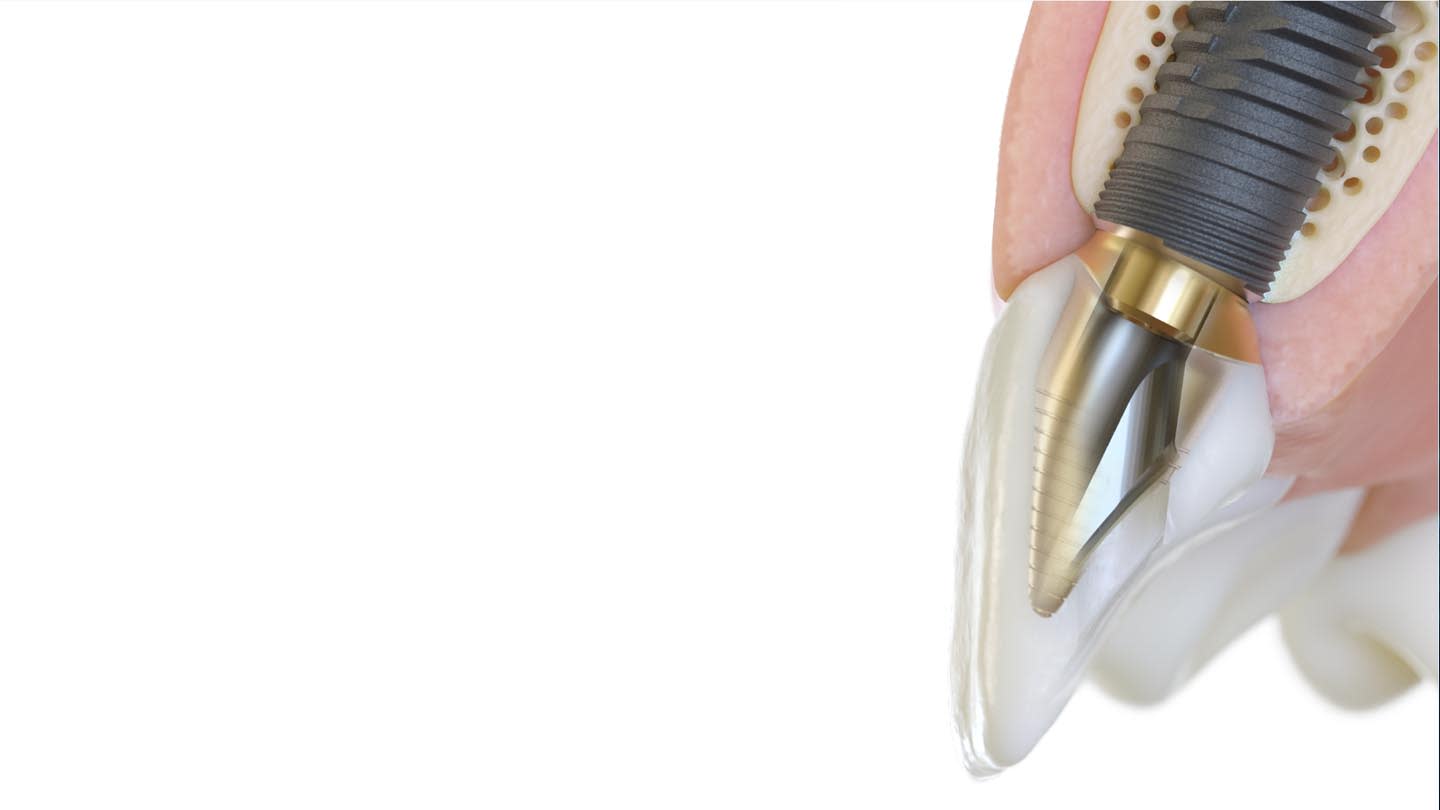
To demonstrate the use of AI-assisted workflows in the treatment of a 77-year-old male patient with failing amalgam restorations and multiple cusp fractures requiring posterior zirconia crowns.
Approach:
Patient Examination: A 77-year-old male patient underwent a comprehensive examination revealing failing amalgam restorations with recurrent caries and multiple cusp fractures involving the maxillary left first and second molars.
Treatment Procedure: The treatment involved removal of existing restorations, recurrent decay, and unsupported tooth structure, followed by core buildups with bioactive material and conservative tooth preparations.
Digital Impression and Design: Digital impressions were captured using the iTero Lumina™ scanner, and restorations were designed with the AI-assisted iTero™ Design Suite.
Restoration Fabrication: Monolithic zirconia restorations were milled in-office from a multilayered zirconia block, sintered, polished, and cemented using an MDP-containing primer and resin cement.
Evaluation: Final evaluations confirmed excellent marginal adaptation, occlusal integration, and esthetic functional rehabilitation.
Key Findings:
Integrated intraoral scanning and design workflows improve margin capture and visualization.
AI-enhanced restoration design reduces reliance on manual adjustments.
Connected digital workflows enable same-appointment restoration delivery.
Interpretation:
AI-assisted workflows utilize machine learning and computer vision to automate steps traditionally dependent on technician skill.
Conclusion:
The case illustrates the application of AI-assisted workflows in the treatment of posterior zirconia crowns.