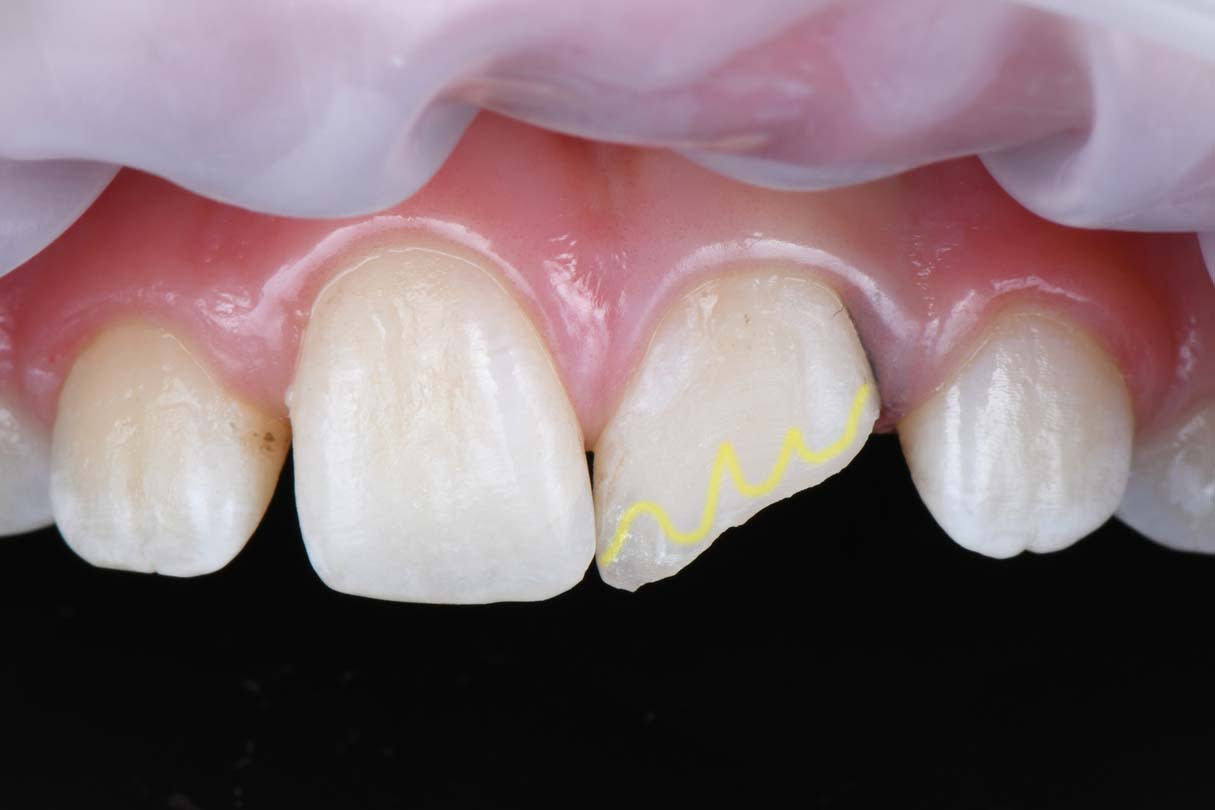
To discuss significant advances in adhesive dentistry and their clinical implications, emphasizing their importance for practice.
Key Findings:
Advancements in adhesive dentistry include universal adhesives and refined clinical protocols, which enhance clinical outcomes.
Bond failure is often due to isolation issues and technique sensitivity, highlighting the need for proper training.
Two-bottle adhesives have better long-term retention compared to universal adhesives, suggesting a need for cautious adoption of new materials.
Moisture control is critical for optimal bond strength, necessitating a deeper understanding of dentin properties.
Interpretation:
The evolution of adhesive dentistry emphasizes the balance between efficiency and longevity, focusing on how understanding material properties and clinical techniques can lead to better patient outcomes.
Limitations:
Limited long-term data on universal adhesives compared to traditional systems, which may affect their adoption.
Variability in clinical practices and understanding among dentists can lead to inconsistent outcomes.
Conclusion:
Continued research and education in adhesive techniques and materials are essential for improving clinical outcomes in dentistry, ensuring that practitioners are well-informed about the latest advancements.