To explore the transformation in diagnostic dentistry through the integration of advanced technologies, particularly artificial intelligence (AI), and their implications for clinical practice, emphasizing the significance of this evolution.
Approach:
Key Findings:
AI can read 500 to 800 shades of gray on x-rays, significantly improving early detection of dental issues, which can lead to better patient outcomes.
Salivary diagnostics are evolving to provide sophisticated, noninvasive testing options for personalized care, aligning with patient preferences.
AI tools can enhance diagnostic consistency and team performance by evaluating image quality and providing feedback, which can improve training and technique.
Interpretation:
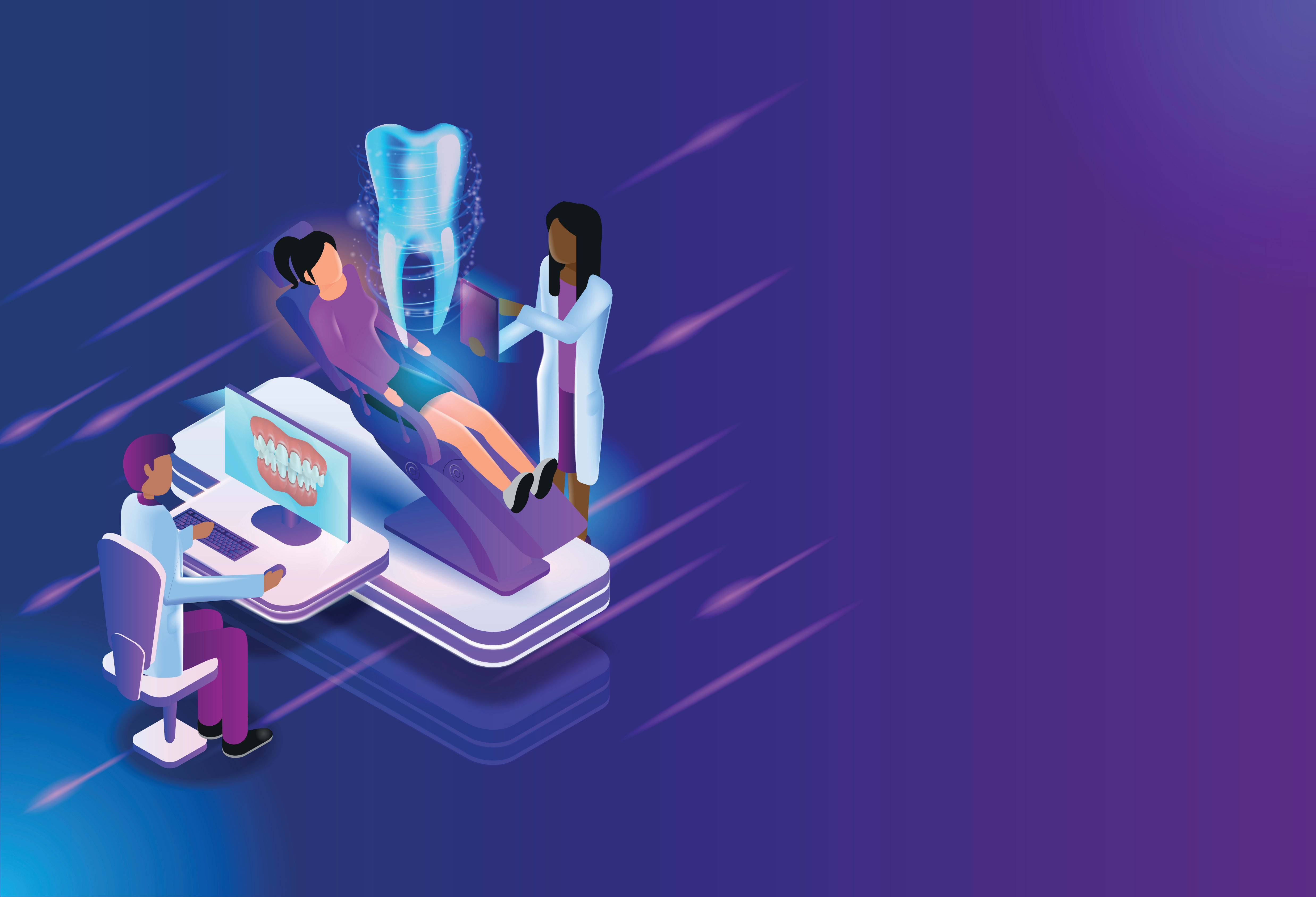
The integration of AI and advanced diagnostic tools is revolutionizing dentistry, enabling earlier detection and more personalized, preventive care, while also presenting challenges for clinician adaptation.
Limitations:
The reliance on technology may require ongoing training for clinicians to maintain diagnostic control, potentially impacting their traditional skills.
Potential over-reliance on AI could lead to diminished tactile skills in practitioners, necessitating a balance between technology use and hands-on experience.
Conclusion:
The evolution of diagnostic dentistry through AI and other technologies marks a significant shift towards data-driven, preventive care, enhancing both patient outcomes and clinical workflows, while emphasizing the need for clinicians to adapt to these changes.