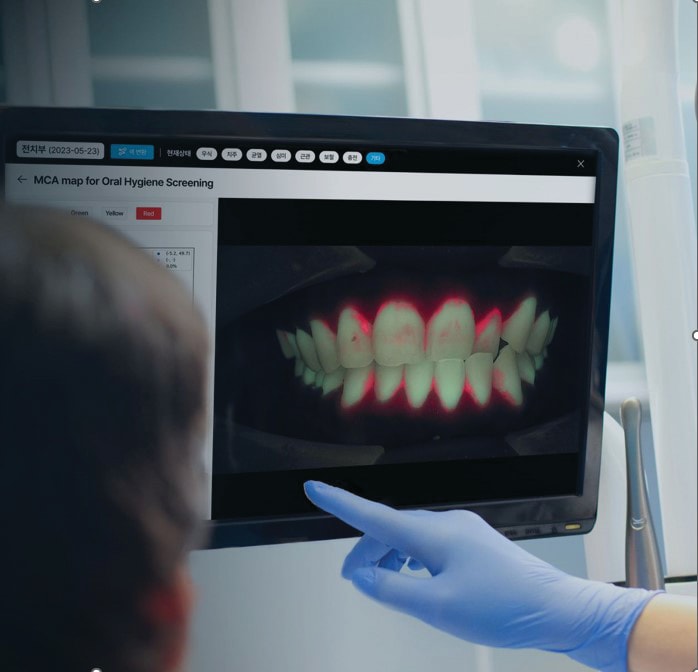
To introduce biofluorescence technology as a means to enhance early detection and patient engagement in dental care, highlighting its benefits for both clinicians and patients.
Key Findings:
Biofluorescence can detect demineralization before it is visible on radiographs, providing a proactive approach to dental care.
The technology allows for tracking of remineralization and biofilm activity over time, offering valuable insights into patient health.
Patients are more likely to accept treatment when they can visually understand their dental health, as evidenced by increased treatment acceptance rates.
Interpretation:
Biofluorescence represents a significant advancement in dental diagnostics, shifting the focus from reactive to proactive care, ultimately improving patient outcomes.
Limitations:
Requires training for dental professionals to interpret biofluorescence images accurately; ongoing education can help mitigate this.
Initial implementation may involve costs for equipment and training, but long-term benefits can outweigh these initial investments.
Conclusion:
Biofluorescence enhances early detection and patient education, transforming dental visits into collaborative experiences that prioritize prevention and improve overall patient care.
Study describes adhesive intraoral device that measures TNF-alpha levels chairside, potentially supporting earlier diagnosis of periodontal and pulp disease.