To identify reasons why dental practices experience failure despite being perceived as good.
Approach:
Complacency: Good practices may become complacent, believing that no improvements are necessary.
Not knowing numbers: Practices often lack awareness of key performance indicators (KPIs) that indicate weaknesses.
Disruptive team members: Negative team members can harm team dynamics and overall practice performance.
Not monitoring cash: Insufficient cash management can lead to financial struggles, especially after revenue downturns.
Poor customer service: Inadequate customer service can drive patients away, often unnoticed until it's too late.
Not monitoring overhead: Overhead increases must be tracked and managed to prevent financial decline.
Lack of strategic planning: Practices need to engage in strategic planning to identify growth opportunities and improvements.
Key Findings:
Complacency can lead to stagnation in practice performance.
Understanding KPIs is crucial for identifying areas needing improvement.
Disruptive team members can negatively impact team morale and productivity.
Effective cash management is essential for financial stability.
Customer service quality directly affects patient retention.
Monitoring and managing overhead is necessary to maintain profitability.
Strategic planning helps practices adapt and grow.
Interpretation:
The increasing failure rate of dental practices can be attributed to a combination of complacency, poor financial management, and lack of strategic planning.
Limitations:
The article does not provide quantitative data to support the claims.
It focuses primarily on common issues without exploring unique circumstances of individual practices.
Conclusion:
Practices should regularly assess these areas to ensure ongoing success and avoid decline.
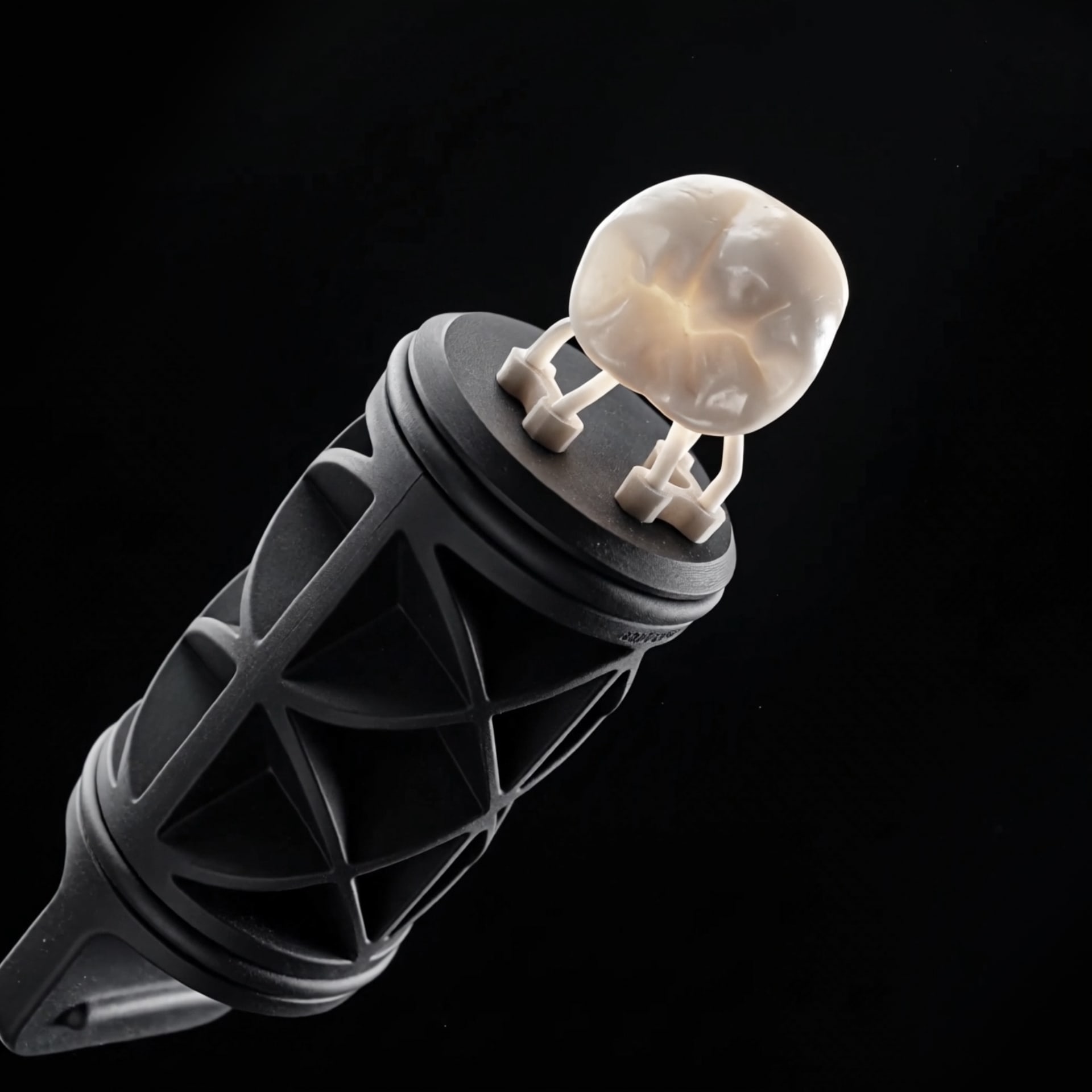
The ceramic- and zirconia-filled resin is indicated for the fabrication of definitive crowns, inlays, onlays, and veneers using a chairside digital workflow.