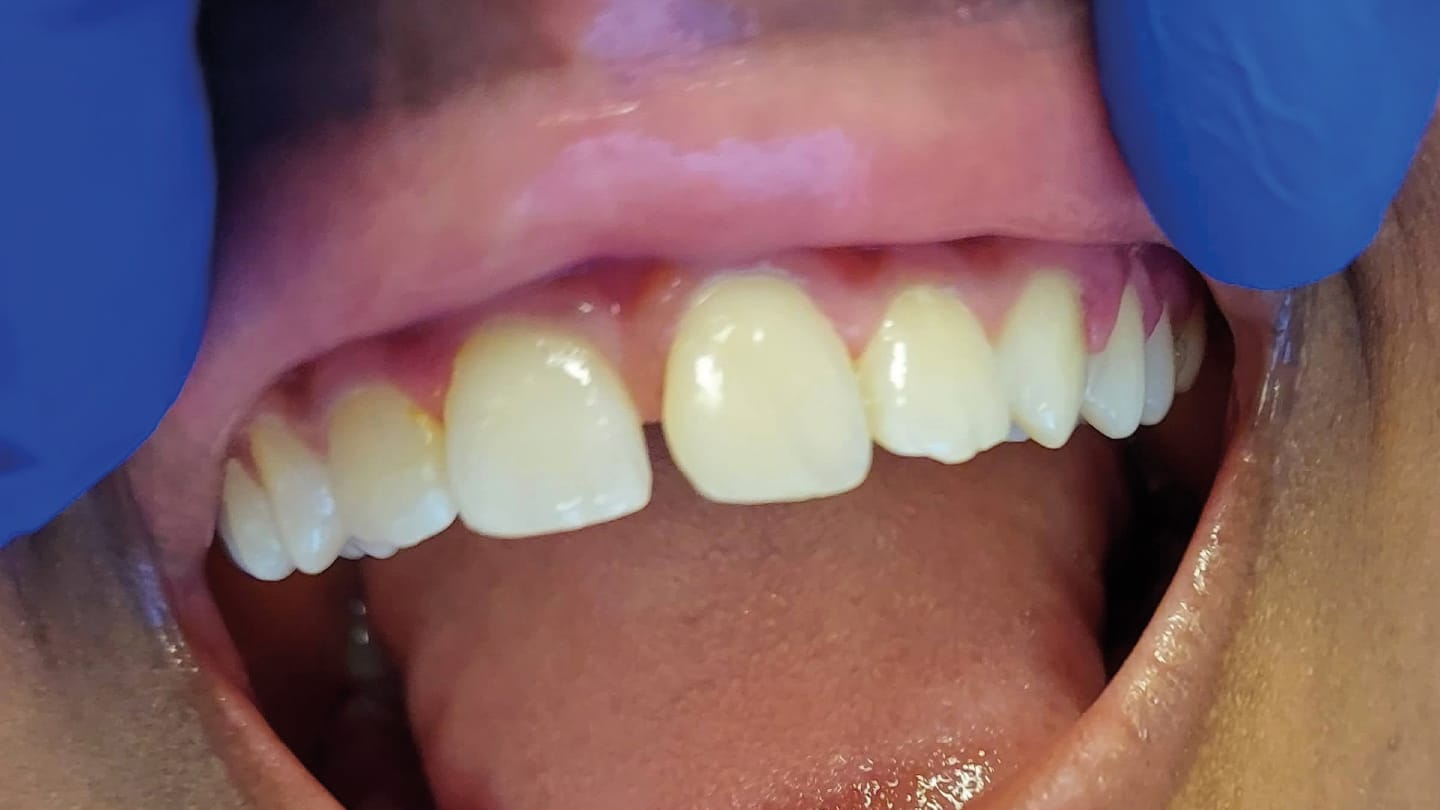
To explore the factors influencing successful adhesion in dentistry beyond initial bond strength.
Approach:
Key Findings:
True success in adhesion is measured over time, focusing on longevity and marginal integrity.
Proper isolation and effective light curing are critical for achieving durable dentin adhesion.
Simplification in adhesive systems can reduce technique sensitivity but may compromise performance if overdone.
Most adhesive failures are due to clinical technique rather than deficiencies in adhesive materials.
Preservation of tooth structure and stable dentin bonding are crucial for the success of restorations in endodontically treated teeth.
Laboratory conditions do not always translate to clinical settings, highlighting the need for technique sensitivity.
Consistency in adhesive performance across different providers is a key area for improvement.
Interpretation:
Adhesive dentistry requires a balance of material properties and clinical technique, with a focus on long-term outcomes rather than just initial bond strength.
Limitations:
Variability in clinical conditions can affect adhesive performance.
Over-simplification of adhesive systems may lead to compromised outcomes.
Conclusion:
Continued advancements in adhesive technology and education are necessary to enhance clinical outcomes and support complex treatments.