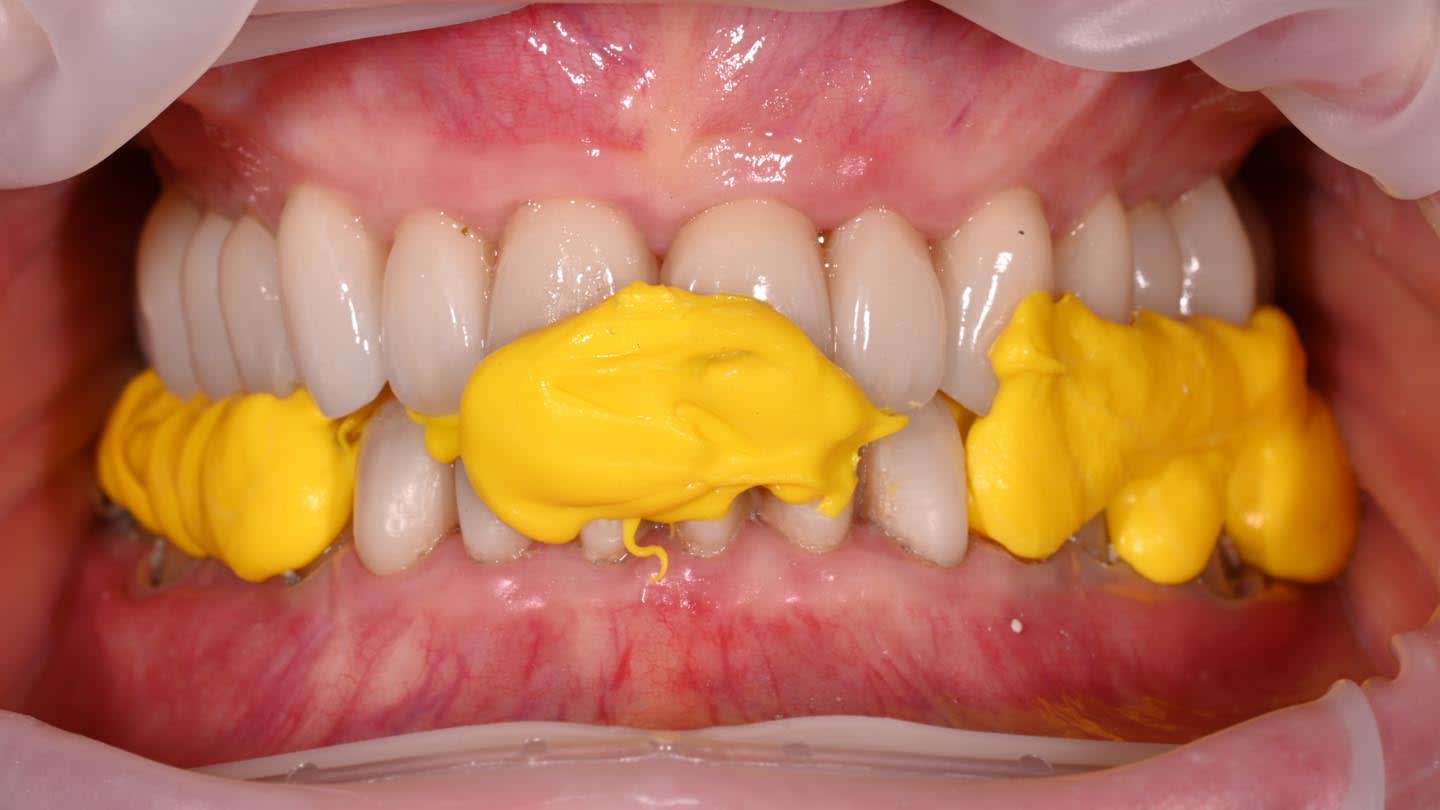
To illustrate a structured diagnostic approach for addressing functional limitations in patients with esthetic concerns after orthodontic treatment, ensuring clarity on the methods used.
Approach:
Key Findings:
A persistent constricted chewing pattern (CCP) contributed to anterior attrition and ongoing symptoms, indicating a need for functional intervention.
Increasing the vertical dimension of occlusion (VDO) created restorative space, improving overjet and allowing for the restoration of worn anterior teeth.
The patient's complex medical and dental history necessitated careful risk assessment and management to ensure treatment efficacy.
Interpretation:
Focusing on functional limitations rather than solely on tooth position led to improved comfort, function, and esthetics, highlighting the importance of a holistic approach.
Limitations:
The case report is based on a single patient, which limits the generalizability of the findings to a broader population.
Long-term outcomes of the treatment plan were not assessed, which may affect the understanding of its effectiveness over time.
Conclusion:
A structured diagnostic approach can effectively manage functional constraints and enhance esthetic outcomes in patients post-orthodontic treatment.