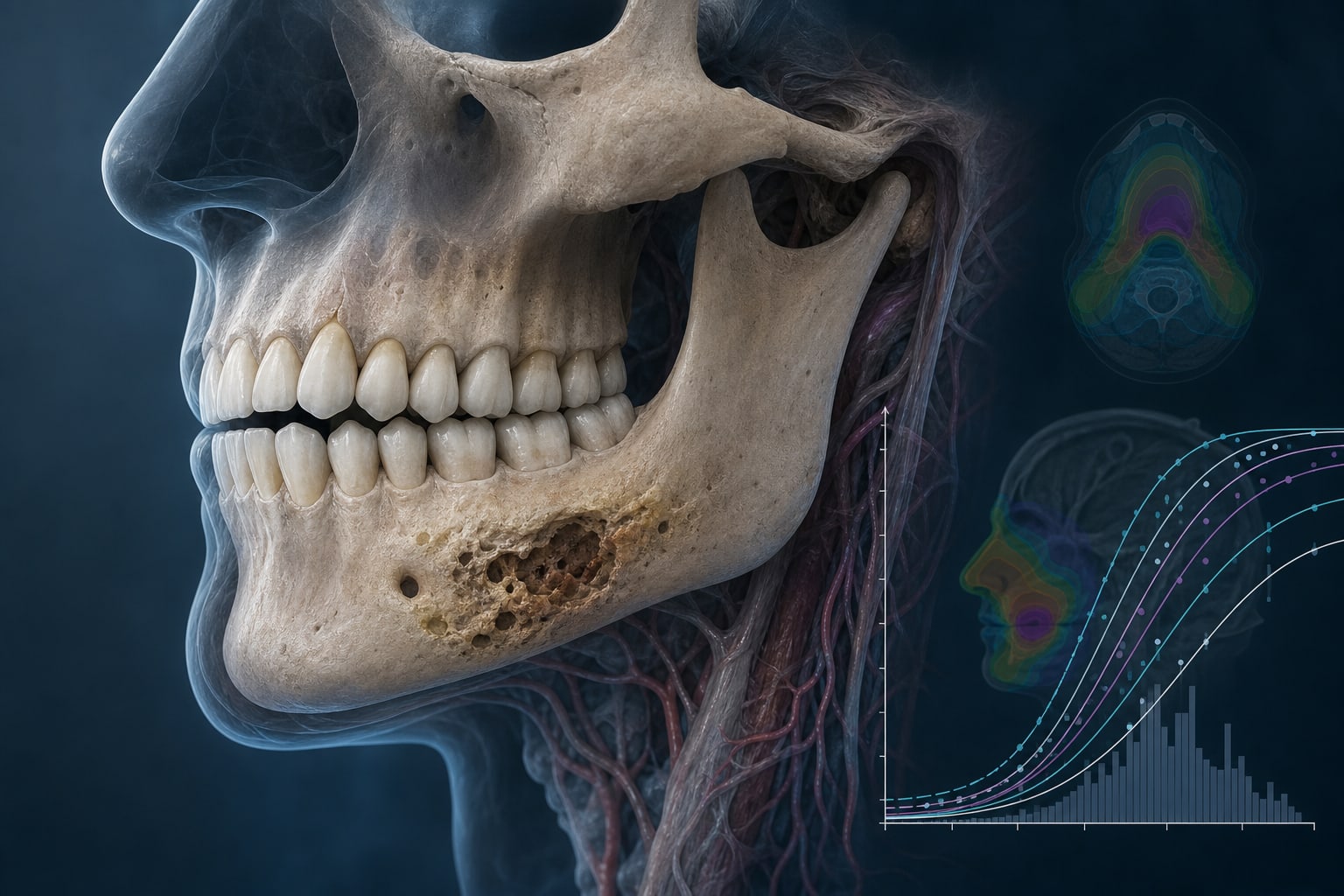
To address the complexities of halitosis, a prevalent yet poorly defined condition, and the need for a structured classification system in dental practice to improve diagnosis and treatment.
Approach:
Key Findings:
Halitosis is a common but poorly defined condition that can lead to anxiety and social isolation, highlighting the need for effective management.
A structured classification system can improve diagnosis and treatment planning for halitosis, ultimately enhancing patient care.
Effective management of penicillin allergy is crucial for safe dental practices and patient safety.
Interpretation:
Implementing a classification system for halitosis can enhance communication between dental practitioners and patients, leading to improved management and patient satisfaction.
Limitations:
The classification system may require further validation in clinical settings to ensure its effectiveness.
Variability in patient responses to treatments, such as differing reactions to alternative medications, may complicate management strategies.
Conclusion:
A systematic approach to halitosis and penicillin allergy can improve patient outcomes and enhance the problem-solving capabilities of dental practitioners, fostering better patient-dentist relationships.