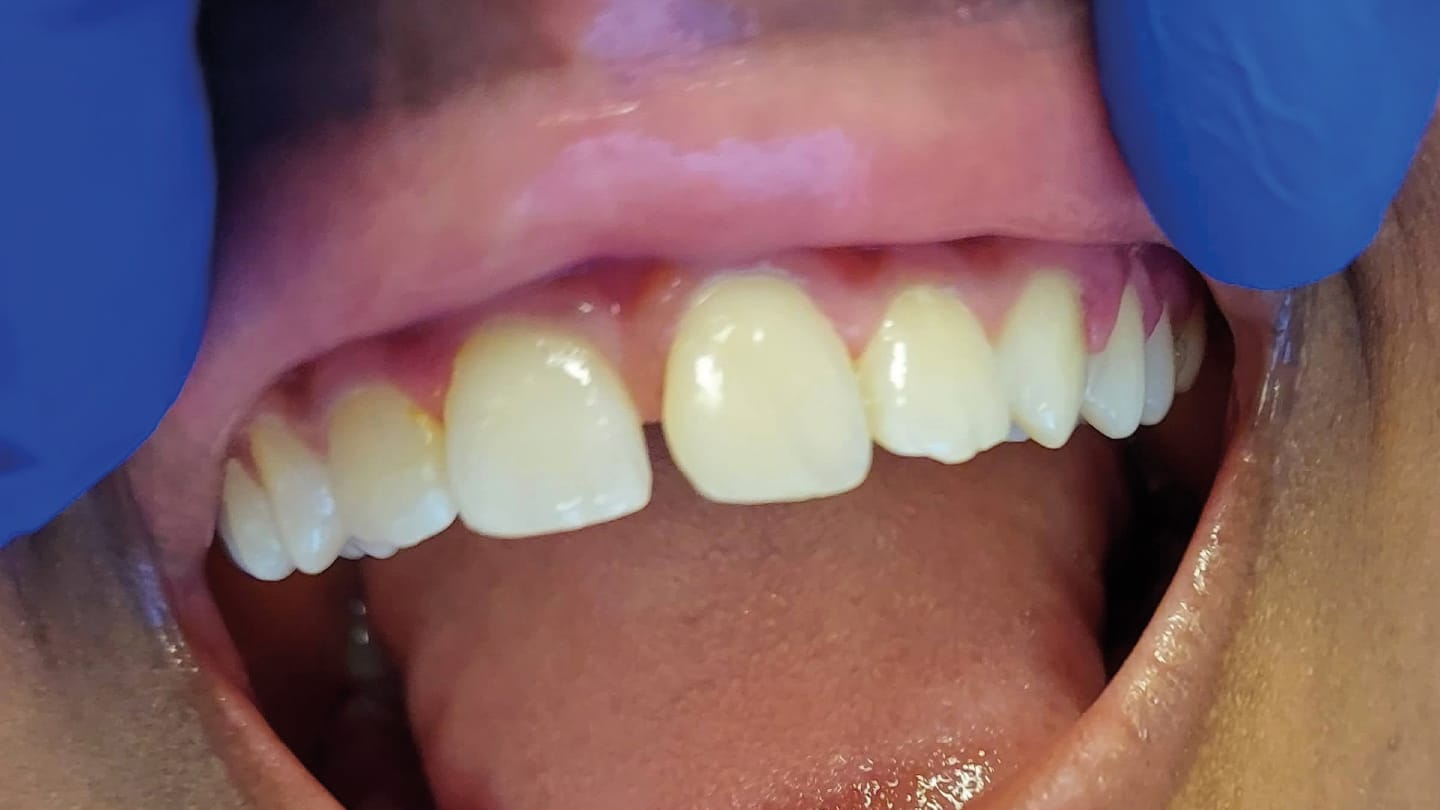
To highlight recent advancements in materials and technologies for direct dental restorations and their potential clinical implications.
Approach:
Key Findings:
Bioactive composites show potential in reducing caries incidence adjacent to restorations.
Antibacterial composites demonstrate in vitro bacteriostatic effects.
Advancements in adhesive technology enhance bond strength and reduce technique sensitivity.
Digital technologies improve diagnostic accuracy and patient communication.
Interpretation:
While traditional resin composites remain effective, newer materials and technologies offer promising enhancements that require further clinical validation.
Limitations:
Limited long-term clinical data on newer bioactive and antibacterial materials.
Need for standardized evaluation methods for clinical translation.
Conclusion:
The field of direct dental restorations is evolving with promising innovations that may enhance restoration longevity and clinical performance.