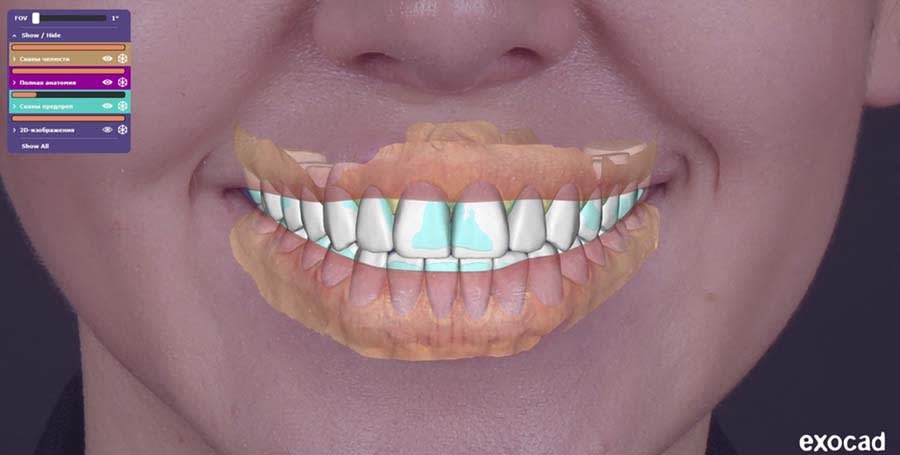
To evaluate the long-term outcomes of a comprehensive restorative treatment for an esthetic disability, emphasizing the significance of the esthetic concerns using risk-based protocols.
Approach:
Key Findings:
The patient experienced functional stability and pleasing esthetics over the 7-year follow-up, with a slight decline in periodontal condition that warrants monitoring.
No additional restorative treatment was required during the follow-up period.
The patient's periodontal condition declined slightly, but he remained free from active caries.
Interpretation:
The interdisciplinary, conservative approach taken in the treatment demonstrated predictability and long-term success, enhancing the patient's quality of life compared to traditional methods.
Limitations:
The patient's medical status changed during the follow-up, which may affect future treatment considerations.
The study is based on a single case, limiting generalizability and introducing potential biases.
Conclusion:
The case highlights the effectiveness of a risk-based, minimally invasive approach to managing esthetic and functional dental concerns over an extended period, underscoring the importance of long-term follow-up.
This article presents a clinical case of a comprehensive full-mouth rehabilitation in a 26-yearold female patient with an anterior open bite and accompanying mild chronic generalized periodontitis.