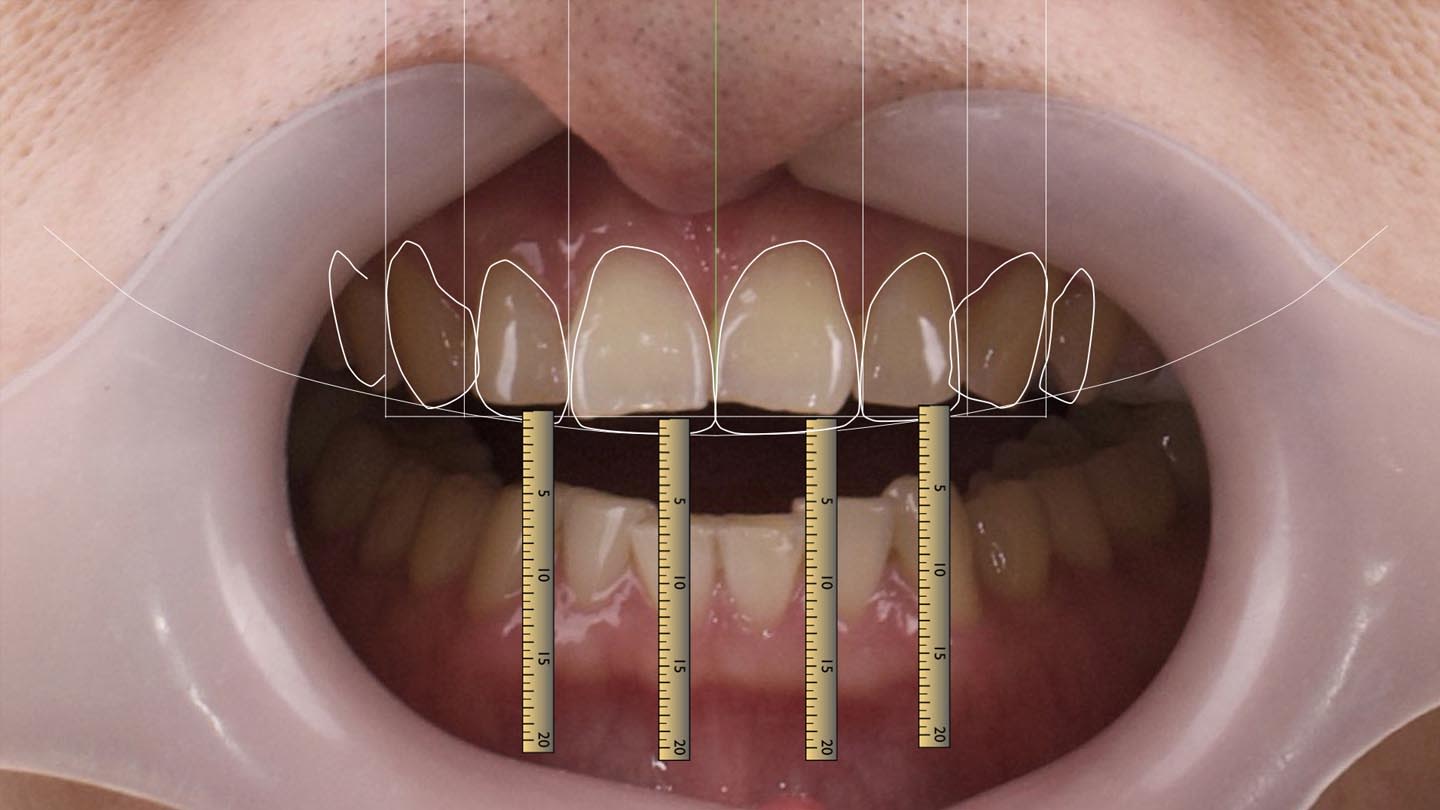
To evaluate the long-term outcomes of transitional full-mouth rehabilitation using injection-molded composites in complex wear and erosion cases, highlighting its significance in restorative dentistry.
Key Findings:
The injection-molded composites demonstrated excellent wear resistance and occlusal stability over a 6-year follow-up, indicating their potential for long-term use in clinical settings.
Minimal follow-up was required, primarily for occlusion and esthetics checks, suggesting a streamlined post-treatment process.
The technique allowed for immediate functional and cosmetic improvements, enhancing patient satisfaction.
Interpretation:
The use of injection-molded composites provides a viable transitional solution for patients with significant dental wear, offering durability and efficiency in treatment.
Limitations:
Limited data on the long-term survival of injection-molded composites in load-bearing areas beyond 6 years, which may affect treatment decisions.
The study is based on a single case report, which may not be generalizable to broader patient populations.
Conclusion:
Injection-molded composites are effective for transitional full-mouth rehabilitation, providing satisfactory outcomes in both aesthetics and function over an extended period, warranting further investigation in diverse clinical scenarios.
As more states expand adult Medicaid dental benefits, participation remains low and GOP-backed federal cuts threaten to reverse recent progress, raising concerns for physicians and dentists.