-
1
Resilient dental practices can anticipate, withstand, recover from, adapt to, and move forward from disruptions while supporting long-term economic and financial viability.
-
2
Four principles guide sustainable practice design: emergency preparedness and recovery; planet-centric, prevention-focused care; sustainable resource and waste management; and proactive environmental resilience.
-
3
Digital records, imaging, and intraoral workflows can reduce paper, film, processing chemicals, impression materials, and clinical waste, although electronic technologies consume electricity and have manufacturing and disposal effects.
-
4
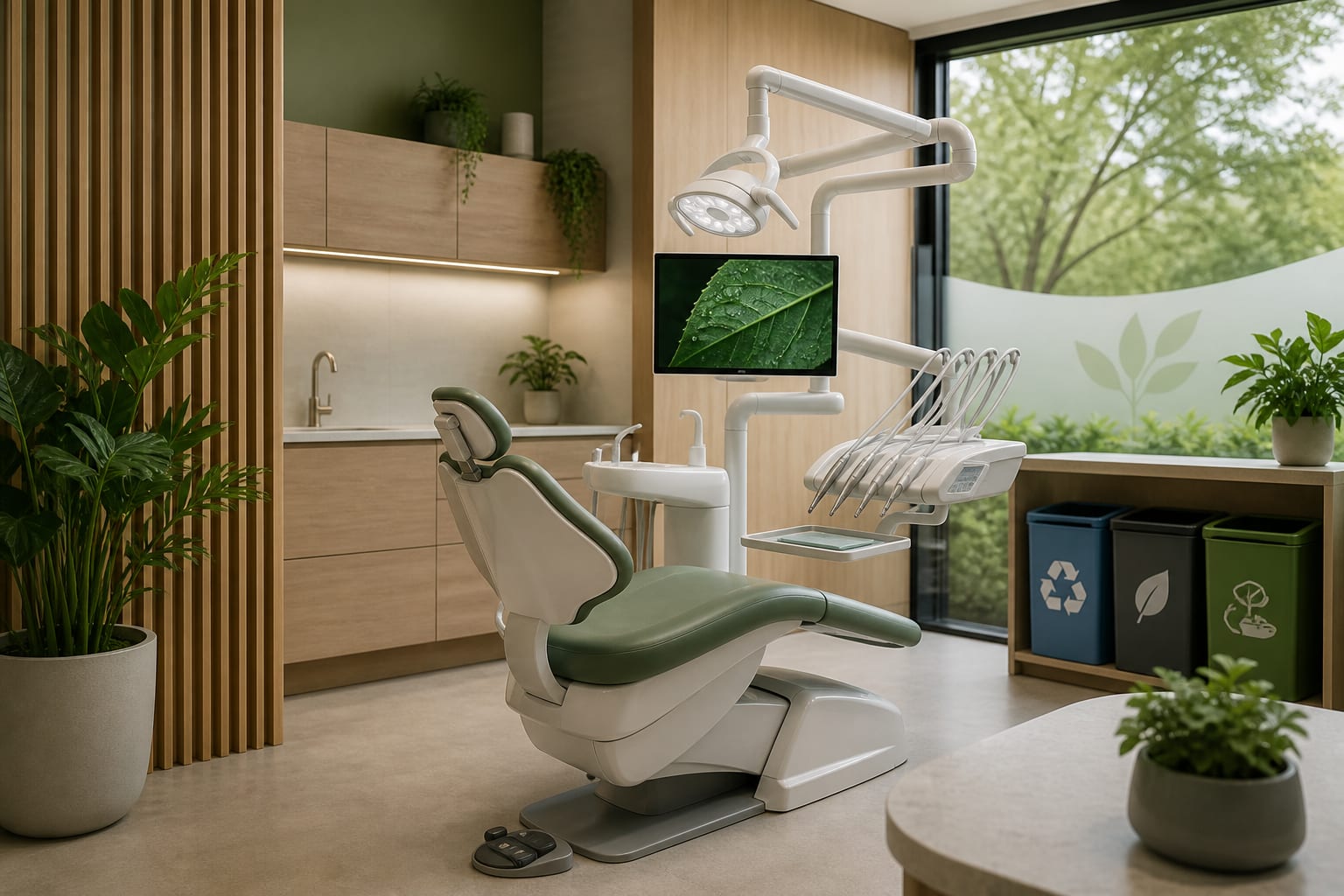
The 4 Rs—reduce, reuse, recycle, and rethink—align with lean-management and circular-economy principles. Inventory control can reduce waste, deliveries, packaging, and costs, while solid waste should be separated for appropriate disposal and recycling.
-
5
US Environmental Protection Agency rule 40 CFR 441 requires dental offices to capture and recycle mercury from wastewater; teledentistry can reduce travel for selected assessments, health-history collection, and treatment follow-up.