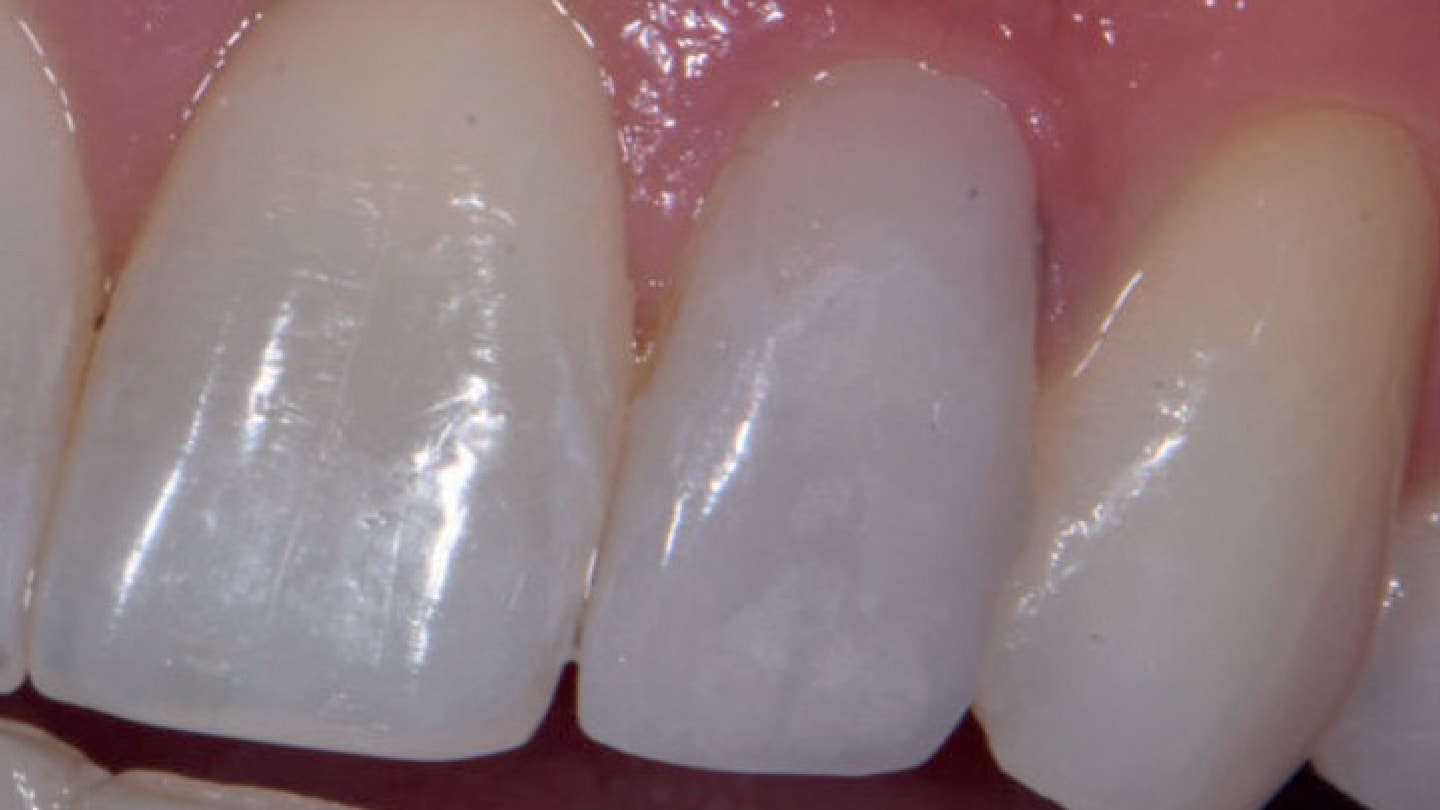
Simplifying Shade Selection for Esthetic Restorations
-
By
-
Peter Auster
-
September 1, 2026
-
6 min
4 Topic Commentaries
Simplifying Shade Selection for Esthetic Restorations
-
Joe C. Ontiveros, DDS, MS
Professor; Interim Chair, Department of Restorative Dentistry & Prosthodontics; John M. Powers Endowed Distinguished Professor in Oral Biomaterials; Head of Esthetic Dentistry; Director, Oral Biomaterials Division
•UTHealth Houston School of Dentistry
[Source]As a practitioner, I see how simple things like matching the color of tooth restorations with natural teeth or ensuring patients have a harmonious smile can change how they feel about themselves. Being on the other end where I am able to help improve these processes is really rewarding as well.
-
Russell A. Giordano II, DMD, DMSc, CAGS
Professor; Director of Biomaterials; Associate Professor in Materials Science & Engineering
•Boston University Henry M. Goldman School of Dental Medicine
[Source]Most dentists are using very old shade guides that don’t cover the entire spectrum of natural teeth.
-
Becky M. Smith, DDS
Clinical Professor; Interim Associate Dean of Clinical Operations; Interim Chair, Department of Restorative Clinical Sciences
•University of Missouri–Kansas City School of Dentistry
[Source]I am excited about having windows! I know it sounds trivial, but they can improve our mental health and shade matching!
-
Markus B. Blatz, DMD, PhD, Prof Dr med dent
Chair and Professor of Restorative Dentistry; Assistant Dean for Digital Innovation and Professional Development
•University of Pennsylvania School of Dental Medicine
[Source]Matching the shades of adjacent veneers and crowns on discolored abutment teeth is a major esthetic challenge.
Based on findings from:
Simplifying Shade Selection for Esthetic Restorations
Peter Auster. Inside Dentistry, 2026.
https://www.insidedentistry.net/2026/09/simplifyingshade/
This content is an AI-generated, fully rewritten summary based on a published scholarly article. It does not reproduce the original text and is not a substitute for the original publication. Readers are encouraged to consult the source for full context, data, and methodology.