Clinical Report: Responses of Human Mesenchymal Stromal Cells to Nicotine
Overview
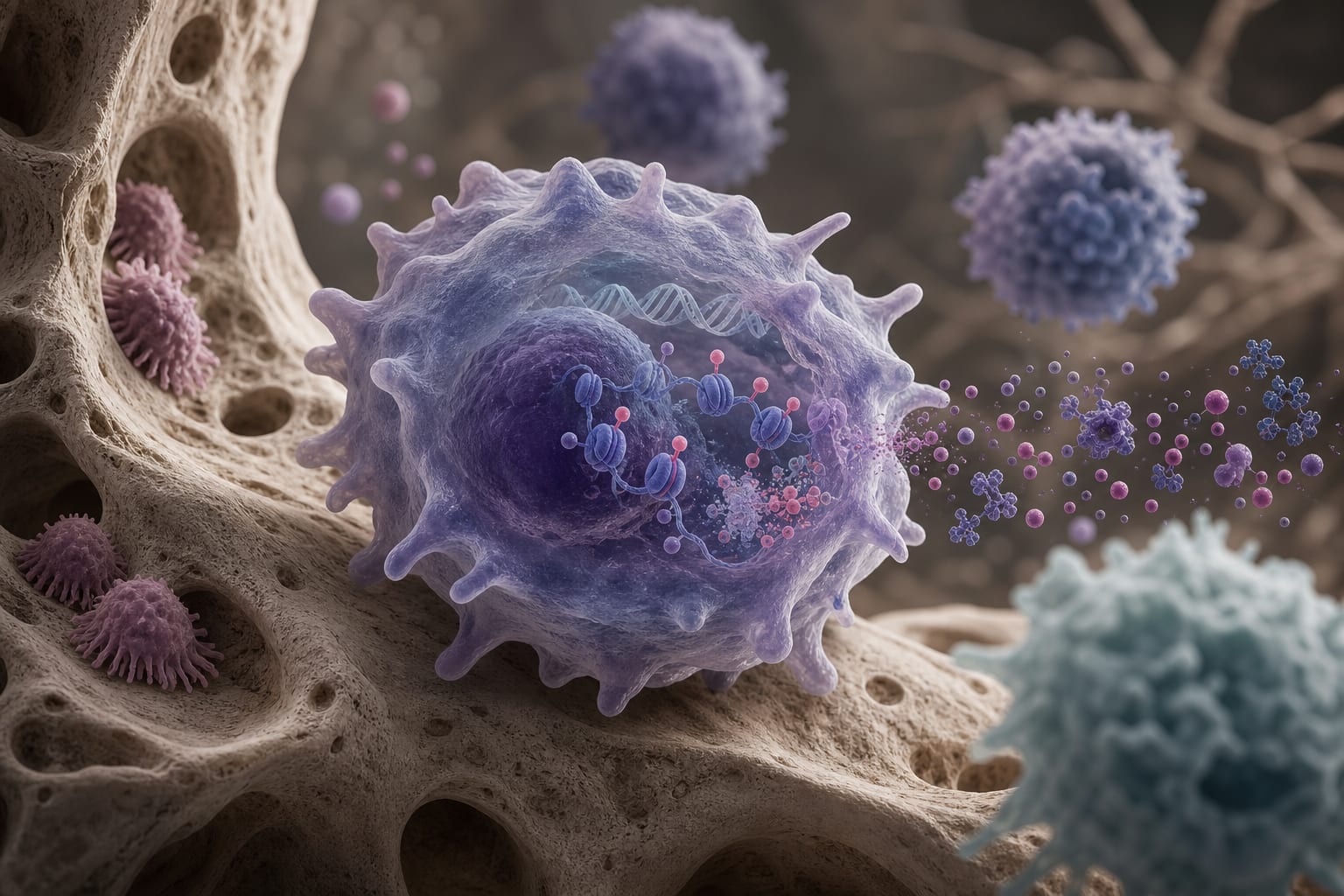
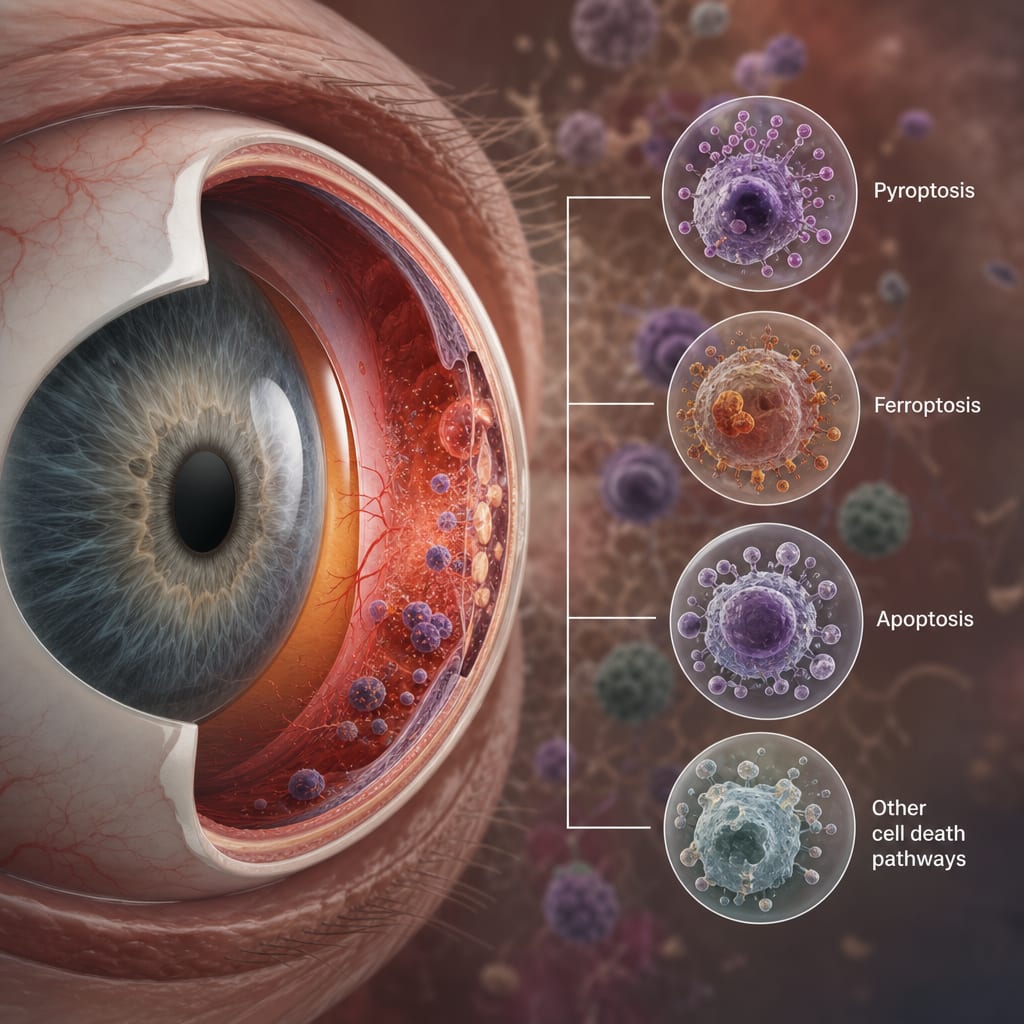
This study investigates the effects of nicotine and cigarette smoke extracts on human mesenchymal stromal cells (MSCs). Findings indicate that high concentrations of nicotine can induce acute cell death and lysosomal stress in MSCs, potentially impacting tissue regeneration and oral health.
Background
The increasing use of smokeless nicotine products, such as pouches, raises concerns about their effects on oral tissues and mesenchymal stromal cells (MSCs). Nicotine exposure has been linked to various oral pathologies, including gingival recession and impaired wound healing. Understanding the cellular responses of MSCs to nicotine is crucial for assessing the long-term implications of these products on oral health.
Data Highlights
No numerical data or trial data provided in the article.
Key Findings
High concentrations of nicotine induce acute cell death in MSCs.
Nicotine exposure leads to lysosomal stress in MSCs, affecting their function.
Responses of MSCs to nicotine vary based on concentration and cell origin.
Long-term nicotine exposure may impair tissue regeneration and increase the risk of oral diseases.
Localized exposure to nicotine from pouches can exacerbate mucosal pathologies.
Clinical Implications
Clinicians should be aware of the potential adverse effects of nicotine pouches on oral tissues and MSC function. Monitoring patients using these products for signs of gingival recession and other mucosal pathologies is recommended. Further research is needed to fully understand the long-term implications of nicotine exposure on oral health.
Conclusion
The study highlights the detrimental effects of high nicotine concentrations on MSCs, emphasizing the need for caution in the use of smokeless nicotine products. Ongoing research is essential to elucidate the broader implications for oral health and tissue regeneration.
Dentist-produced YouTube videos scored highest for quality and reliability, while highly subscribed channels often performed poorer on educational metrics.