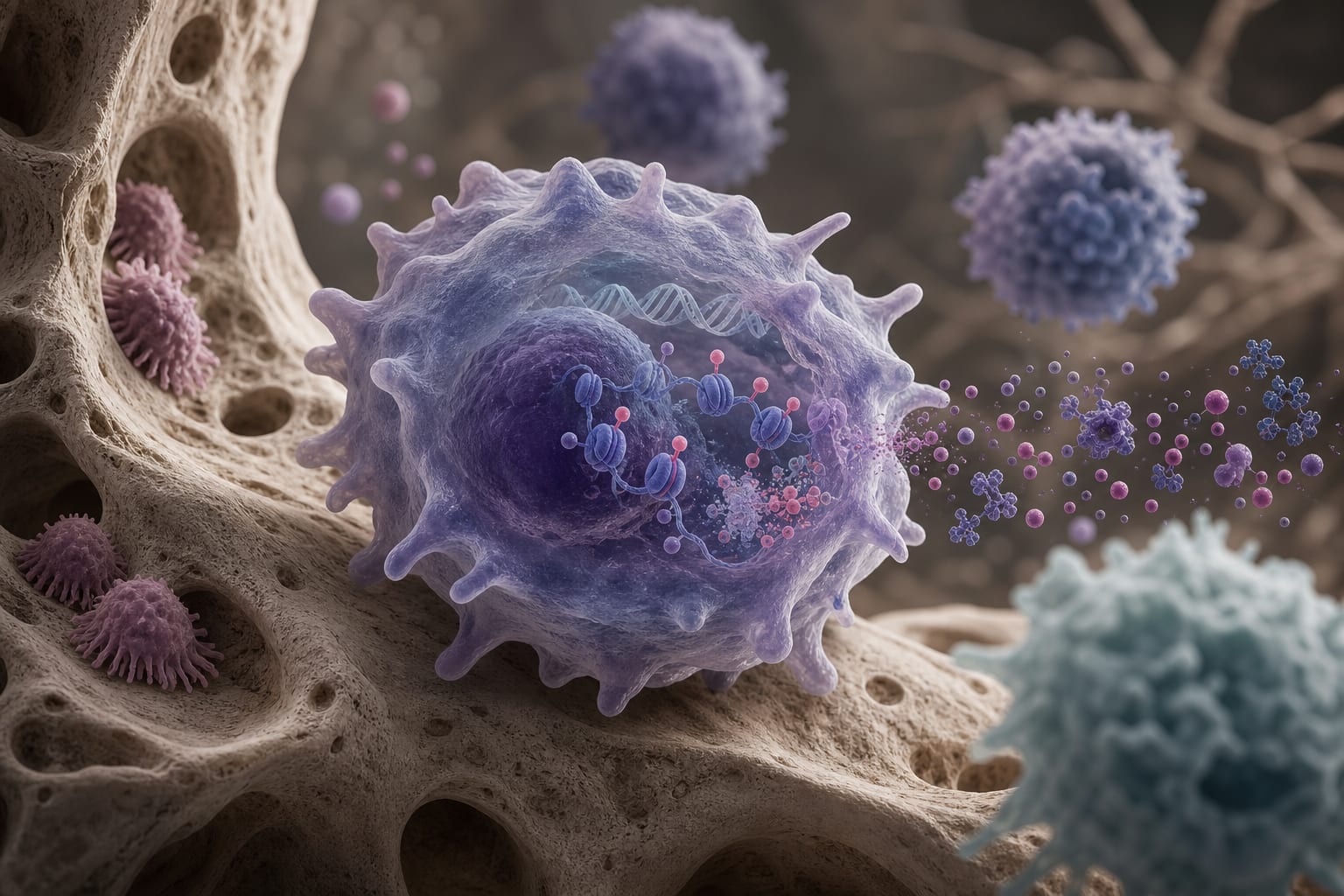
N4BP1's Dual Function in Neutrophil and Epithelial Interactions During Periodontitis
Overview
This study identifies N4BP1 as a critical regulator in neutrophil and epithelial interactions during periodontitis. It highlights a transcriptionally defined neutrophil subset and the dual role of N4BP1 in modulating inflammatory responses.
Background
Periodontitis is a prevalent chronic inflammatory disease that leads to tooth loss and alveolar bone resorption. Neutrophils, as key players in the immune response, exhibit functional heterogeneity that may influence disease progression. Understanding the specific roles of neutrophil subsets and their interactions with epithelial cells is crucial for developing targeted therapies.
Data Highlights
No numerical data or trial data presented in the article.
Key Findings
A transcriptionally defined neutrophil subset, LDN-1, was identified, resembling low-density neutrophils.
N4BP1 regulates both pro-inflammatory and anti-inflammatory signaling pathways in LDN-1 neutrophils.
The study utilized single-cell RNA sequencing and Mendelian randomization to analyze immune cell subsets.
N4BP1 may serve as a potential therapeutic target for periodontitis and related inflammatory diseases.
Clinical Implications
The findings suggest that targeting N4BP1 could help restore epithelial barrier function and modulate neutrophil activity in periodontitis. Further validation is needed to explore its potential as a precision therapeutic strategy.
Conclusion
N4BP1 plays a dual role in coordinating neutrophil and epithelial interactions during periodontitis, highlighting its potential as a therapeutic target. Further research is warranted to validate these findings.