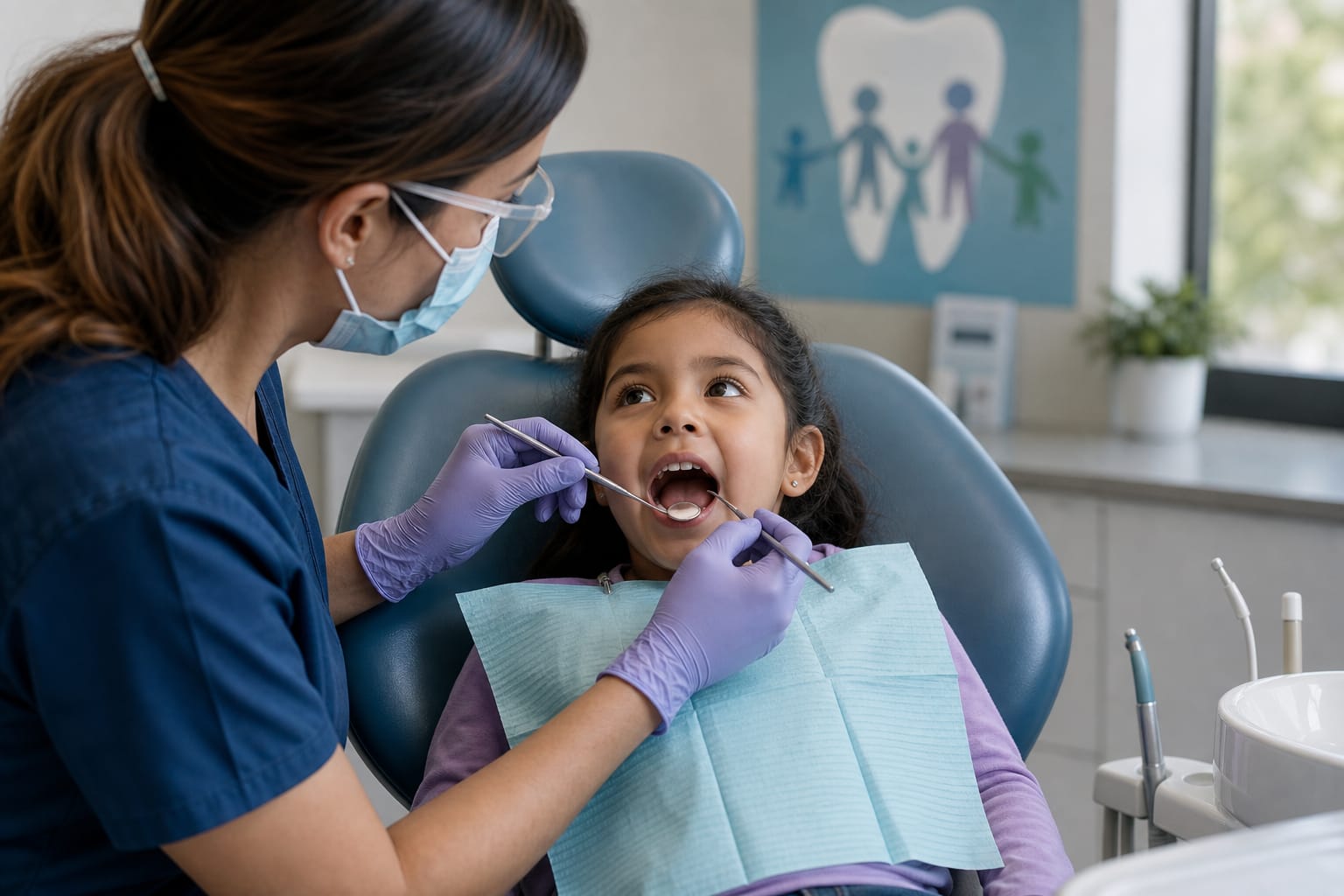
Impact of Smartphone Apps on Oral Hygiene and Glycemic Control in Diabetes
Overview
Smartphone applications targeting oral hygiene and glycemic management show promise in improving health outcomes for diabetic individuals. These tools support patient motivation, education, and self-care, potentially reducing oral complications and enhancing glycemic control.
Background
Diabetes mellitus is a widespread chronic disease affecting over 422 million people globally, with significant oral health complications such as periodontal disease, dental caries, xerostomia, and delayed wound healing. Poorly controlled diabetes exacerbates these oral conditions, which in turn can worsen glycemic control. Smartphone health applications have emerged as accessible tools to promote oral health maintenance and diabetes self-management, offering reminders, education, and motivation. Integrating these technologies into nursing education and patient care may empower patients to adopt healthier behaviors and improve clinical outcomes.
Data Highlights
Approximately 90% of diabetic individuals exhibit oral symptoms related to their condition. The global diabetic population is expected to rise to around 700 million, with over 4 million annual deaths from complications. Smartphone applications have demonstrated effectiveness in regulating HbA1c levels, especially in type 2 diabetes patients, and in motivating oral hygiene practices through reminders and educational content.
Key Findings
Diabetic patients have a higher prevalence of oral health issues including periodontal disease, dental caries, xerostomia, and oral infections.
Smartphone applications can effectively motivate and educate patients to maintain better oral hygiene through reminders and interactive content.
Improved oral health via these applications may contribute to better glycemic control and reduced diabetes complications.
Mobile health (mHealth) apps facilitate self-care and active learning, supporting lifestyle modifications crucial for diabetes management.
Despite the high prevalence of oral complications, many diabetic patients lack awareness of the link between diabetes and oral health and underutilize dental services.
Clinical Implications
Healthcare providers should consider incorporating smartphone-based interventions to enhance patient engagement in oral hygiene and glycemic management. These tools can serve as adjuncts to routine care by promoting self-monitoring, education, and timely reminders, potentially reducing oral complications and improving overall diabetes outcomes. Nursing education programs may also benefit from integrating mobile technology to better prepare practitioners for patient-centered care.
Conclusion
Smartphone applications focused on oral hygiene and glycemic control represent a valuable adjunct in managing diabetes-related health outcomes. Their integration into patient care and education may improve oral health status and glycemic parameters, ultimately enhancing quality of life for diabetic individuals.
References
Kim et al. 2019 -- Benefits of smartphone technologies in health maintenance
Iwasaki et al. 2019 -- Impact of diabetes control on periodontal disease
International Diabetes Federation -- Diabetes and oral health complications
by Nabila ELSayed Sabola, Gehan Abd Elfattah Atia Elasrag, Enas Ebrahiem Elsayed, Amal Yousef Abdelwahed, Mohammed Al-Mohaithef, Saleh Alzughaibi, Ahmed Alqheedan, Salwa Abd El Gawad Sallam