Precision immunopharmacology in peri-implantitis management: from molecular mechanisms to advanced therapeutic strategies
-
By
-
Yong Chen
-
Qing Yuan
-
MingWang Cui
-
ZhuLing Guo
-
May 26, 2026
-
Clinical Scorecard: Targeted Immunopharmacological Approaches for Managing Peri-implantitis: Exploring Molecular Mechanisms and Innovative Therapeutic Interventions
At a Glance
| Category | Detail |
|---|
| Condition | |
| Key Mechanisms | Immunologically complex condition involving macrophage polarization, cytokine signaling, and immune cell interactions. |
| Target Population | |
| Care Setting | |
Key Highlights
- Peri-implantitis affects 8.9-45% of dental implant patients.
- Traditional treatments show limited efficacy with high recurrence rates.
- Emerging therapies include anti-cytokine biologics and macrophage-directed approaches.
- Advanced drug delivery systems like hydrogels and exosome platforms are under investigation.
- Single-cell RNA sequencing reveals distinct immune microenvironments in peri-implantitis.
- The economic burden of peri-implantitis is projected to reach $3.2 billion by 2033.
Guideline-Based Recommendations
Diagnosis
Management
- Consider host-modulatory therapies such as specialized pro-resolving mediators and targeted immunopharmacological interventions.
Monitoring & Follow-up
Risks
Patient & Prescribing Data
Individuals with dental implants at risk for peri-implantitis.
Focus on personalized, biomarker-guided interventions.
Clinical Best Practices
- Monitor immune responses around dental implants.
- Explore advanced delivery systems for localized treatment.
- Validate emerging therapies through rigorous clinical studies.
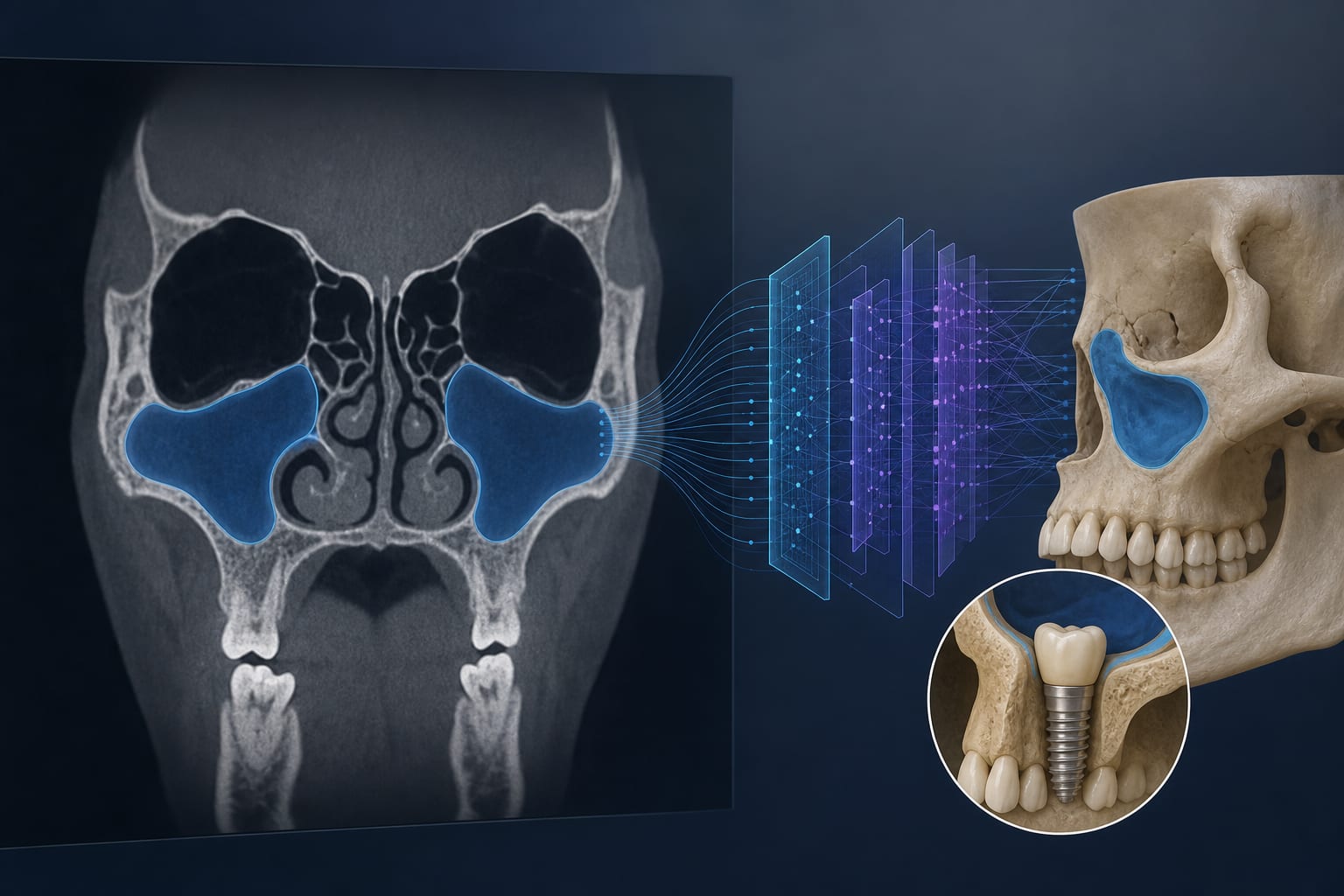
- Assess the clinical utility of machine-learning models for risk stratification.
Related Resources & Content