Impact of Smartphone Applications Focused on Oral Hygiene and Glycemic Management on Health Outcomes in Diabetic Individuals
Clinical Scorecard: Impact of Smartphone Applications Focused on Oral Hygiene and Glycemic Management on Health Outcomes in Diabetic Individuals
At a Glance
Category Detail
Condition Diabetes mellitus and associated oral health complications Key Mechanisms Smartphone apps support oral hygiene and glycemic control through patient motivation, education, reminders, and self-management tools Target Population Individuals with diabetes mellitus (Type 1 and Type 2) Care Setting Outpatient and community settings utilizing mobile health (mHealth) technologies
Key Highlights
Diabetes increases risk of oral health issues including periodontal disease, dental caries, xerostomia, and oral infections. Smartphone applications can improve oral hygiene practices and glycemic control, potentially reducing diabetes complications. Low dental care attendance and poor awareness of diabetes-oral health links highlight need for patient education via mHealth. Guideline-Based Recommendations
Diagnosis
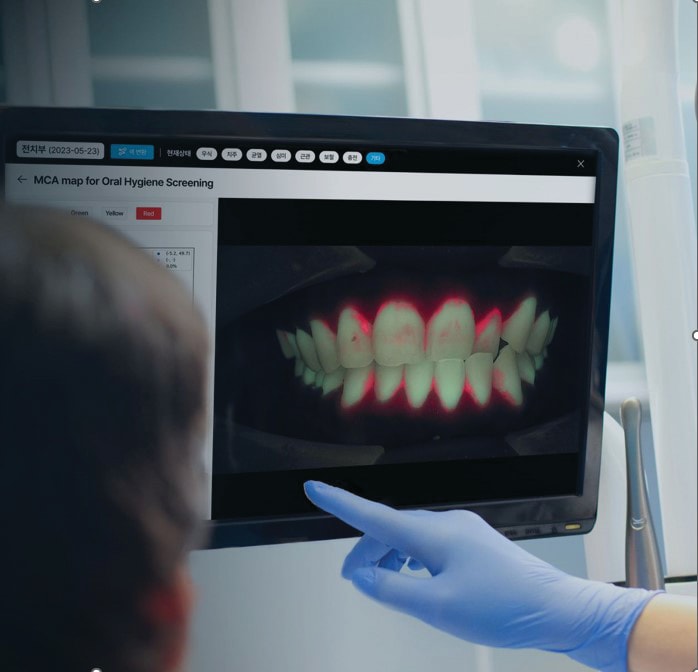
Regular dental checkups with periodontal examination for diabetic patients. Monitoring oral symptoms such as xerostomia, periodontal disease, and candidiasis in diabetes management. Management
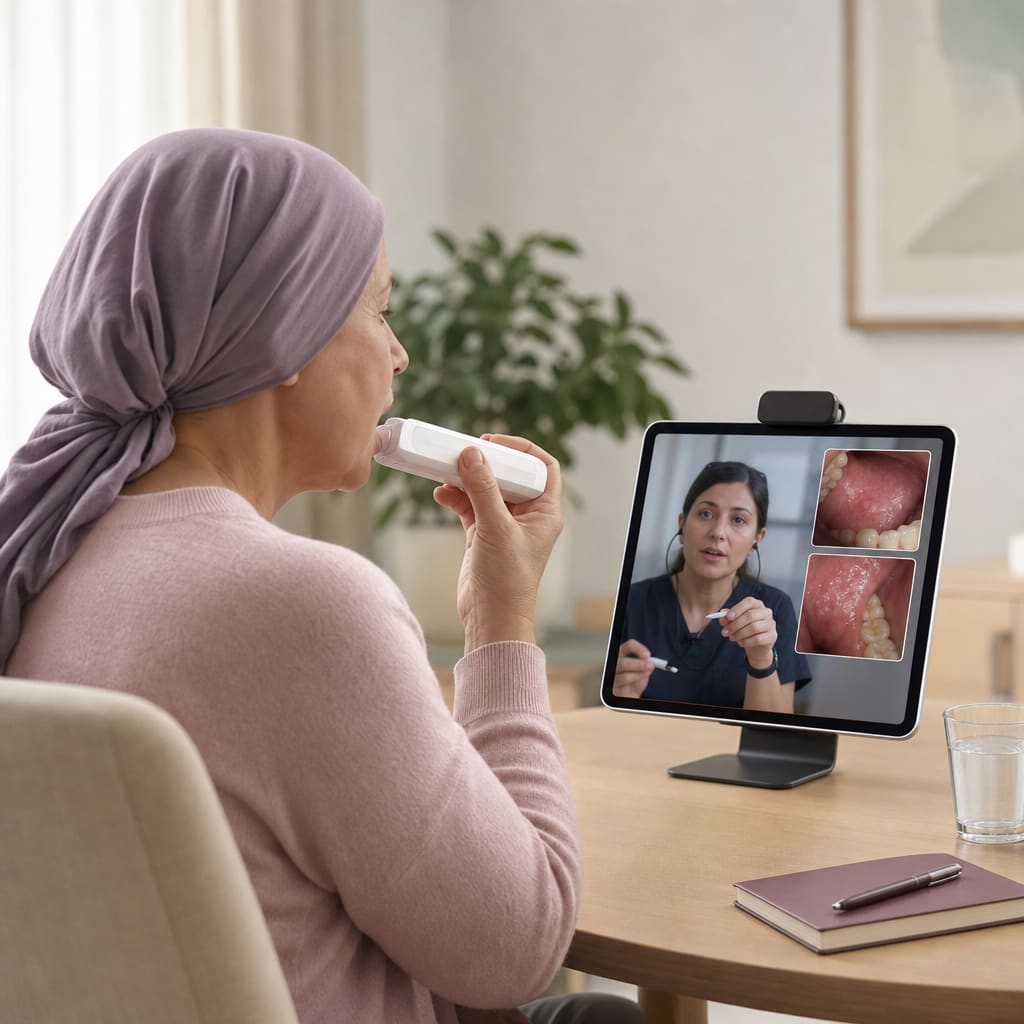
Use of smartphone applications to enhance patient motivation and adherence to oral hygiene and glycemic control. Lifestyle modifications including blood glucose control and self-care practices to prevent oral complications. Scaling and periodontal treatment to improve glycemic control. Monitoring & Follow-up
Regular assessment of HbA1c levels to evaluate glycemic control. Monitoring oral health status and symptoms to prevent progression of periodontal disease and dental caries. Risks
Increased risk of periodontal disease and dental caries due to poor glycemic control and reduced salivary flow. Higher susceptibility to oral infections and delayed wound healing in diabetic individuals. Low patient awareness and infrequent dental visits increase risk of oral complications. Patient & Prescribing Data
Diabetic individuals using smartphone applications for self-management
Smartphone apps have demonstrated effectiveness in improving oral hygiene behaviors and reducing HbA1c levels, particularly in type 2 diabetes.
Clinical Best Practices
Incorporate mHealth tools in nursing education and patient care to empower diabetes self-management. Encourage routine dental visits and periodontal assessments for diabetic patients. Provide targeted education on the link between diabetes and oral health to improve patient awareness. Utilize smartphone reminders and motivational messages to enhance adherence to oral hygiene and glycemic control regimens. References